


Myelofibrosis: Transforming Outcomes in a Chronic Bone Marrow Disorder
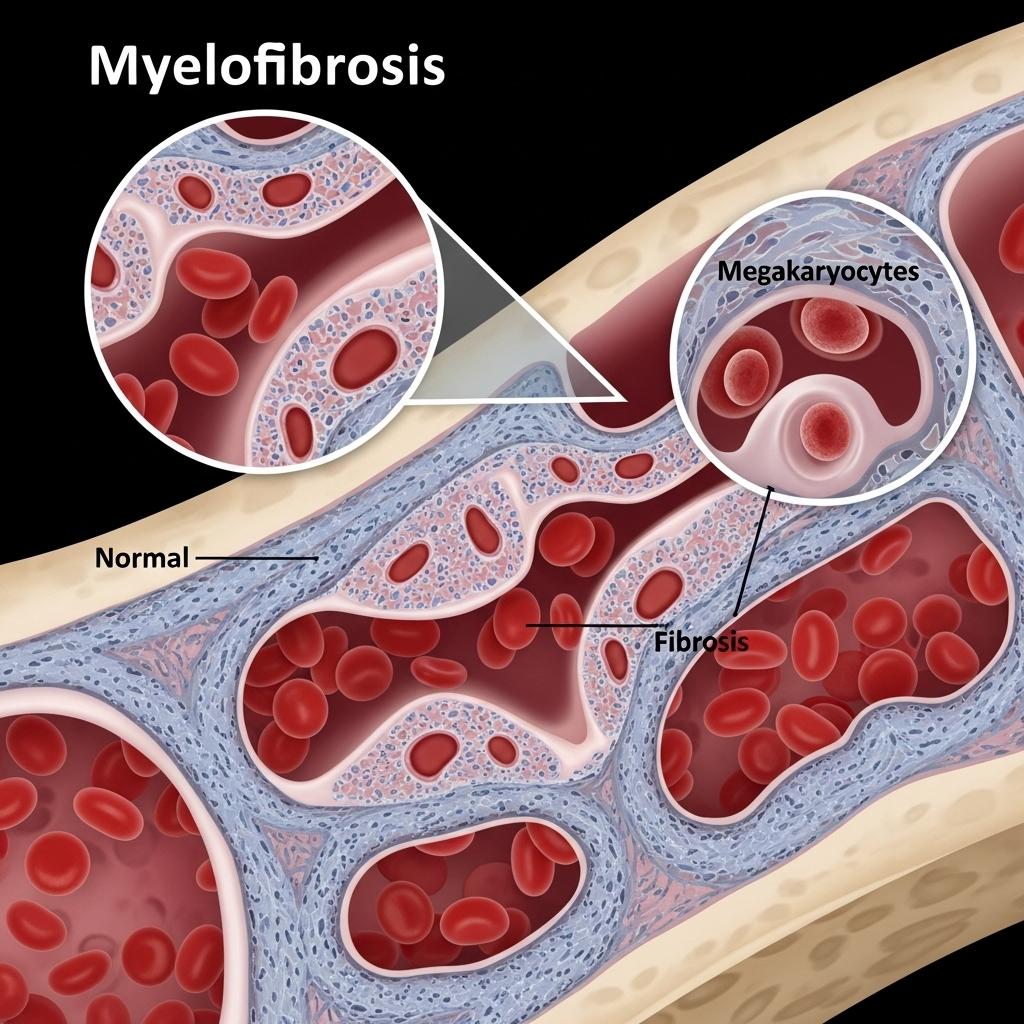
Myelofibrosis (MF) is a rare but serious type of chronic myeloproliferative neoplasm (MPN) characterized by progressive scarring (fibrosis) of the bone marrow. This disrupts the normal production of blood cells, leading to anemia, splenomegaly, and systemic symptoms such as fatigue, night sweats, and weight loss. As understanding deepens around the JAK-STAT pathway and fibrotic signaling, therapeutic options have expanded, offering new hope for disease control and symptom relief.
Request a sample copy of the CI report at:
https://www.datamintelligence.com/strategic-insights/ci/myelofibrosis-mf
Pathophysiology and Molecular Drivers
Myelofibrosis may arise de novo as primary MF or evolve from polycythemia vera (PV) or essential thrombocythemia (ET). It is driven by mutations in genes involved in cytokine signaling and hematopoietic proliferation, particularly:
1. JAK2 V617F (~60% of cases)
2. CALR (Calreticulin) mutations (~20–25%)
3. MPL mutations (~5–10%)
These mutations result in chronic activation of the JAK-STAT pathway, contributing to uncontrolled cell growth, fibrosis, and inflammation.
Clinical Presentation
Symptoms vary depending on disease stage, but often include:
1. Fatigue and weakness (from anemia)
2. Enlarged spleen (splenomegaly) causing pain and early satiety
3. Night sweats, fever, pruritus
4. Bone pain, cachexia, and weight loss
Extramedullary hematopoiesis may occur, affecting the liver, lungs, or lymph nodes. Late-stage disease may transform into acute myeloid leukemia (AML) in up to 20% of patients.
Diagnosis
Diagnosis requires integration of clinical, hematologic, and pathologic findings:
* Complete blood count (CBC): anemia, abnormal white cell or platelet counts
* Peripheral blood smear: teardrop cells (dacrocytes), leukoerythroblastic features
* Bone marrow biopsy: fibrosis (reticulin and collagen staining), megakaryocyte atypia
Molecular testing: JAK2, CALR, MPL mutations
* The International Prognostic Scoring System (IPSS/DIPSS) guides risk stratification and treatment planning based on age, hemoglobin, WBC count, symptoms, and blasts.
Standard Treatment Approaches
Management depends on symptom burden and risk category:
JAK Inhibitors
* Ruxolitinib: FDA-approved, reduces spleen size and systemic symptoms
* Fedratinib: second-line JAK2 inhibitor with similar benefits
* These agents improve quality of life but are not curative
Allogeneic Stem Cell Transplantation (allo-SCT)
* Only potentially curative therapy
* Reserved for high-risk or transplant-eligible patients due to associated risks
Supportive Therapy
* Transfusions for anemia
* Erythropoiesis-stimulating agents (ESAs)
* Hydroxyurea for thrombocytosis or leukocytosis
* Splenectomy or radiation for refractory splenomegaly
Emerging and Investigational Therapies
Numerous agents are in development to address unmet needs, including:
* BET inhibitors (e.g., CPI-0610): modulate fibrosis and inflammation
* BCL-2 inhibitors (e.g., navitoclax): enhance apoptosis of malignant clones
* Telomerase inhibitors (e.g., imetelstat): target malignant stem cells
* TGF-β pathway inhibitors: to counteract bone marrow fibrosis
* Combination therapies with JAK inhibitors to delay resistance
* Early data suggest potential for disease modification, not just symptom control.
Prognosis and Quality of Life
Prognosis varies based on mutation status and risk scoring. Median survival ranges from 2 years (high-risk) to 15+ years (low-risk).
Disease monitoring includes:
* Blood count trends
* Spleen size (by imaging or palpation)
* Mutation burden
* Symptom assessment using MPN-SAF tools
Patient-reported outcomes have gained prominence, with fatigue and physical functioning as key endpoints in clinical trials.
Request a CI consultation at:
https://www.datamintelligence.com/strategic-insights/ci/myelofibrosis-mf
Addressing Global Access and Awareness
In low-resource settings, diagnosis may be delayed due to a lack of access to molecular testing or pathology expertise. Raising awareness among hematologists and ensuring access to targeted therapies and transplant centers remain priorities in global MPN care.
About DataM Intelligence
DataM Intelligence 4Market Research LLP delivers real-time competitive intelligence across autoimmune, hematologic, and rare disease markets. We support stakeholders with clinical pipeline tracking, regulatory strategy, and market access ***ytics to drive better decisions across life sciences.
🔗 Visit: www.datamintelligence.com


 Arabic
 עברית
עברית
 French
 Spanish
 Portuguese
 Deutsch
 Turkish
 Dutch
Dutch
 Italiano
 Russian
 Romaian
 Portuguese (Brazil)
 Greek
Greek