


Understanding GABA and Sleep Inertia in Idiopathic Hypersomnia
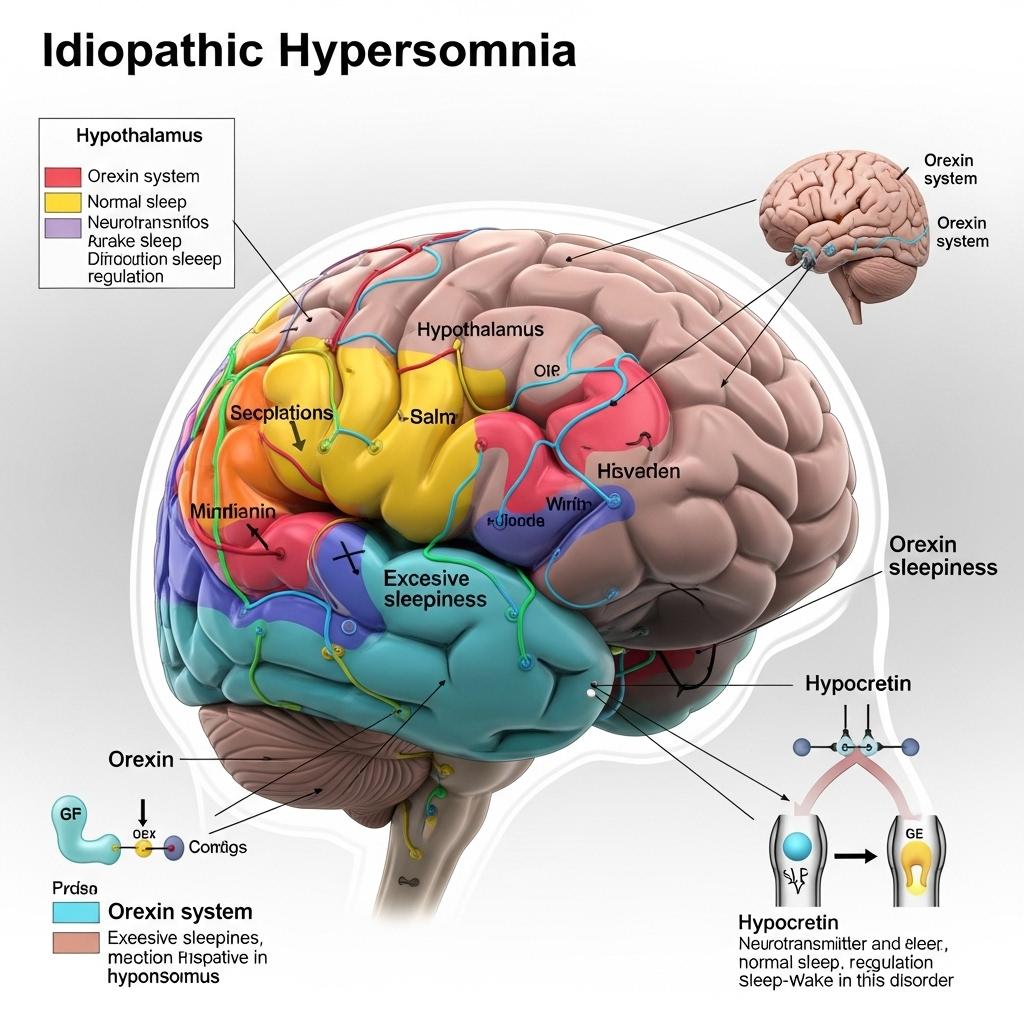
Idiopathic Hypersomnia (IH) is a rare and chronic central nervous system (CNS) disorder characterized by excessive daytime sleepiness (EDS) despite adequate or even prolonged nighttime sleep. Patients often struggle with persistent mental fog, difficulty waking, and sleep inertia—an overwhelming, disabling drowsiness that affects daily life, employment, and relationships. Historically misunderstood and underdiagnosed, IH is now gaining recognition within the neurology and sleep medicine communities thanks to increased clinical awareness and therapeutic development.
Request a sample copy of the CI report at: https://www.datamintelligence.com/strategic-insights/ci/idiopathic-hypersomnia-ih
Understanding the Pathophysiology
Unlike narcolepsy, which involves orexin deficiency or cataplexy, idiopathic hypersomnia does not yet have a clearly defined neurochemical cause. Research points to dysfunction in GABAergic pathways—the brain’s primary inhibitory system as a potential mechanism. Elevated GABA activity in the cerebrospinal fluid may overly suppress brain activity, leading to uncontrollable sleepiness and impaired arousal.
While no specific biomarkers have been confirmed, functional imaging and emerging fluid assays are improving the ability to distinguish IH from other hypersomnia syndromes.
Clinical Symptoms and Diagnosis
IH is defined by:
* Excessive daytime sleepiness (EDS) not explained by another condition
* Long or unrefreshing sleep episodes (often >10 hours per night)
* Severe sleep inertia (sleep drunkenness)
* Cognitive dysfunction or brain fog
* Absence of cataplexy or REM abnormalities typical of narcolepsy
Diagnosis involves:
* Polysomnography (PSG) to rule out obstructive sleep apnea
* Multiple Sleep Latency Test (MSLT) showing short sleep onset and no REM intrusions
* Sleep logs and actigraphy to document extended sleep periods
* Misdiagnosis is common, often confused with depression, chronic fatigue, or lifestyle-related fatigue.
First-Line and Approved Therapies
Until recently, treatment was off-label and based on stimulants used in narcolepsy. However, the FDA approval of low-sodium oxybate (Xywav®) specifically for IH in 2021 marked a breakthrough. This GABA-B modulator improves alertness, reduces long sleep time, and enhances cognitive performance.
Other medications include:
* Modafinil/Armodafinil: Promotes wakefulness
* Methylphenidate or Amphetamines: Symptom relief in resistant cases
* Pitolisant (H3 antagonist): Under investigation for off-label use
* Sodium oxybate: Effective but associated with high sodium load
Therapy selection is individualized, based on side effects, comorbidities, and functional goals.
Research and Pipeline Advances
Pharmaceutical innovation is increasingly focused on understanding and addressing the neurobiology of IH.
Novel *** classes under study include:
* Orexin receptor agonists (targeting wake-promoting pathways)
* Histamine pathway modulators
* Next-gen GABA-A antagonists are ***gned to counter hyperactive inhibitory tone
* Extended-release low-sodium oxybate formulations
Researchers are also exploring genetic risk factors, circadian rhythm disruption, and inflammatory contributions to hypersomnia, paving the way for precision therapy.
Patient Challenges and Access Gaps
Despite being a life-altering condition, many patients face delayed diagnosis, often over 5 years from symptom onset. Barriers include:
1. Limited clinician awareness
2. Overlap with psychiatric conditions
3. Insurance hurdles for approved medications
4. Restricted access to sleep specialists in rural and low-resource areas
5. Advocacy groups are now pushing for insurance policy reform, inclusion in disability guidelines, and broader clinical education campaigns.
Request a CI consultation at: https://www.datamintelligence.com/strategic-insights/ci/idiopathic-hypersomnia-ih
Living with Idiopathic Hypersomnia
The impact of IH is not limited to sleep. It affects mental health, productivity, driving safety, and social functioning. As such, comprehensive care must include:
* Behavioral counseling
* Workplace accommodations
* Cognitive therapy for brain fog
* Fatigue management strategies
* Patient-reported outcome tools are being developed to track functional improvement and response to therapy in clinical trials.
About DataM Intelligence
DataM Intelligence 4Market Research LLP delivers real-time competitive intelligence across autoimmune, neurologic, and rare disease spaces. We offer insights into emerging pipelines, regulatory trends, and market access challenges, empowering stakeholders in life sciences to make informed, strategic decisions.
🔗 Visit: www.datamintelligence.com


 Portuguese (Brazil)
 English
 Arabic
 עברית
עברית
 French
 Spanish
 Portuguese
 Deutsch
 Turkish
 Dutch
Dutch
 Italiano
 Russian
 Romaian
 Greek
Greek