


Emerging Biomarkers in Idiopathic Pulmonary Fibrosis Management
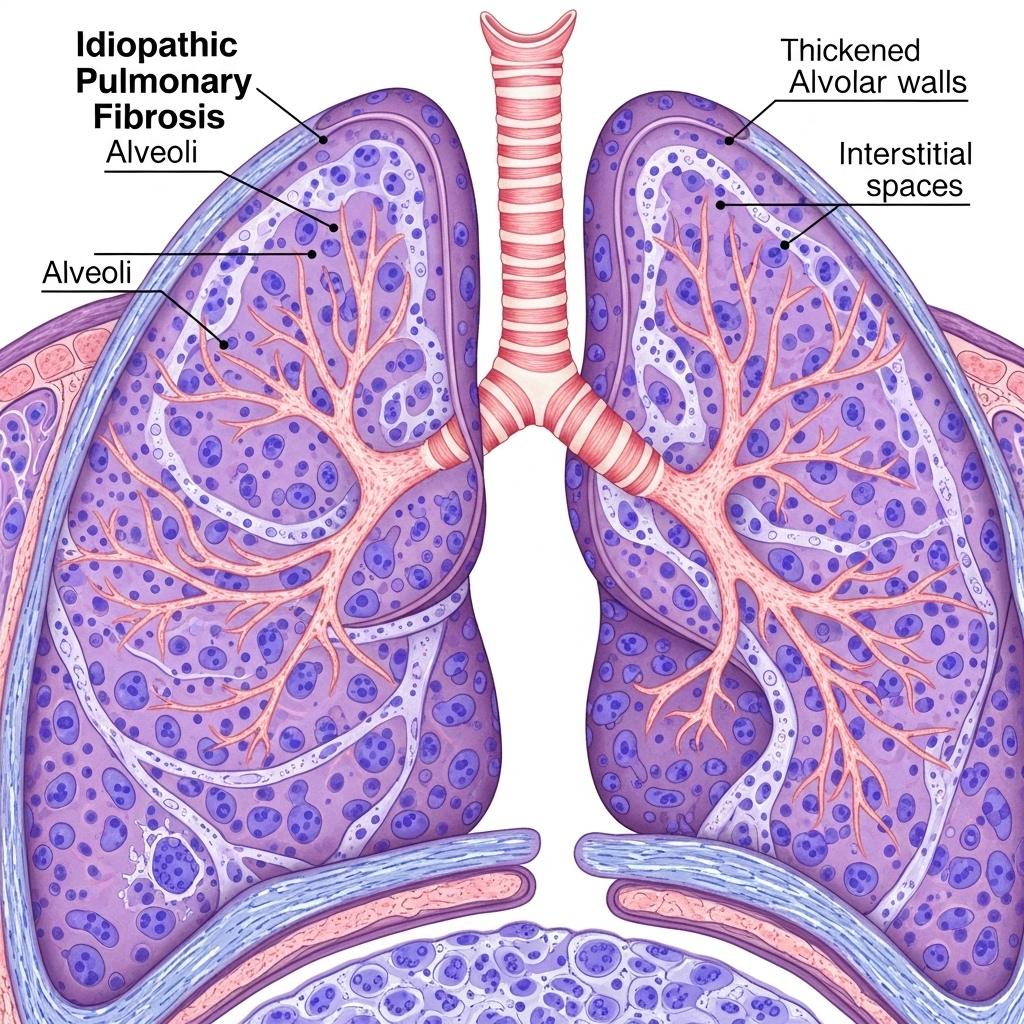
Idiopathic Pulmonary Fibrosis (IPF) is a chronic, progressive interstitial lung disease defined by irreversible scarring of lung tissue. While it has long presented challenges due to late diagnosis and limited treatment options, recent clinical advances and heightened awareness are shifting the treatment paradigm. As novel antifibrotic therapies evolve and precision approaches become integrated into respiratory care, IPF is transitioning from a diagnosis of exclusion into a better-understood, actively managed condition.
Request a sample copy of the CI report at: https://www.datamintelligence.com/strategic-insights/ci/idiopathic-pulmonary-fibrosis-ipf
Understanding Idiopathic Pulmonary Fibrosis
IPF primarily affects individuals over the age of 50 and is characterized by progressive fibrosis of the lung interstitium without a known cause. Unlike other interstitial lung diseases linked to autoimmune disorders, medications, or environmental exposure, IPF is deemed idiopathic, meaning no specific trigger can be identified. It results in a relentless decline in pulmonary function, culminating in respiratory failure over time.
Key symptoms include:
* Persistent dry cough
* Progressive shortness of breath
* Fatigue and clubbing of fingers
* Fine Velcro-like crackles on auscultation
IPF diagnosis relies on high-resolution CT (HRCT) imaging, which often reveals a usual interstitial pneumonia (UIP) pattern. When imaging is conclusive, surgical lung biopsies are rarely needed.
The Role of Antifibrotic Therapies
Until the mid-2010s, IPF management relied heavily on symptom control and oxygen therapy. Today, two approved antifibrotic agents—pirfenidone (Esbriet) and nintedanib (Ofev) have reshaped the treatment landscape. Both ***s work to slow disease progression, though they do not reverse existing fibrosis.
1. Pirfenidone reduces fibroblast proliferation and collagen synthesis, while nintedanib inhibits multiple tyrosine kinases involved in fibrogenesis. These treatments:
2. Slow decline in forced vital capacity (FVC)
May improve progression-free survival
They are recommended for mild-to-moderate IPF
Despite these advances, side effects like gastrointestinal symptoms and liver enzyme elevations require ongoing monitoring and patient support.
Exploring Emerging Therapeutic Targets
The research focus is now shifting toward disease-modifying therapies.
Several investigational agents target pathways such as:
* TGF-β signaling (a key pro-fibrotic pathway)
* Connective tissue growth factor (CTGF)
* Integrin inhibition
* Autotaxin (ATX)/LPA pathways
* Clinical trials are underway to evaluate:
* Combination therapy with existing antifibrotics
* Inhaled delivery mechanisms for localized action
* Agents with dual antifibrotic and anti-inflammatory properties
Precision Diagnostics and Biomarkers
To optimize therapy, biomarker discovery and genetic profiling are gaining traction. Telomere length, MUC5B promoter polymorphism, and surfactant protein mutations (e.g., SFTPC, SFTPA2) may help identify high-risk individuals or predict disease behavior.
Additionally, non-invasive biomarkers like serum KL-6, SP-D, and circulating fibrocytes are under evaluation for their potential to:
* Monitor disease activity
* Predict response to antifibrotic treatment
* Guide enrollment into personalized clinical trials
Addressing Gaps in Care and Awareness
IPF is often underdiagnosed or misattributed to common respiratory conditions like COPD or asthma. Delays in referral to pulmonology or specialized ILD centers contribute to missed treatment windows.
Priorities for improving care include:
1. Enhanced primary care and pulmonologist collaboration
2. Wider access to HRCT imaging and multidisciplinary diagnosis
3. Increased education around early red-flag symptoms
4. Psychosocial support and pulmonary rehabilitation programs also improve patient outcomes, particularly in advanced stages.
What’s Ahead for IPF Management?
With evolving therapeutics, the future of IPF management lies in:
* Earlier diagnosis via genetic and radiomic tools
* Tailored therapy based on molecular subtypes
* Long-acting inhaled antifibrotics
* Combinatorial regimens that target inflammation and fibrosis together
Moreover, efforts are being made to integrate telemedicine and remote spirometry monitoring for real-time lung function tracking.
Request a CI consultation at: https://www.datamintelligence.com/strategic-insights/ci/idiopathic-pulmonary-fibrosis-ipf
Conclusion: IPF Care Moves Beyond Palliative Toward Precision
Idiopathic Pulmonary Fibrosis is no longer a passive diagnosis. The integration of antifibrotic agents, emerging therapies, and biomarker-guided strategies is ushering in a new phase of disease control. While a cure remains elusive, the focus is shifting from palliative support to precision-guided interventions that preserve lung function and enhance patient quality of life.
About DataM Intelligence
DataM Intelligence 4Market Research LLP delivers real-time competitive intelligence across autoimmune, immunologic, and rare disease spaces. Our insights span clinical pipelines, regulatory benchmarks, and commercialization strategies for stakeholders in global life sciences.
🔗 Visit: www.datamintelligence.com


 English
 עברית
עברית
 French
 Spanish
 Portuguese
 Deutsch
 Turkish
 Dutch
Dutch
 Italiano
 Russian
 Romaian
 Portuguese (Brazil)
 Greek
Greek