


How Tafamidis and RNA Therapies Are Changing the ATTR-CM Landscape
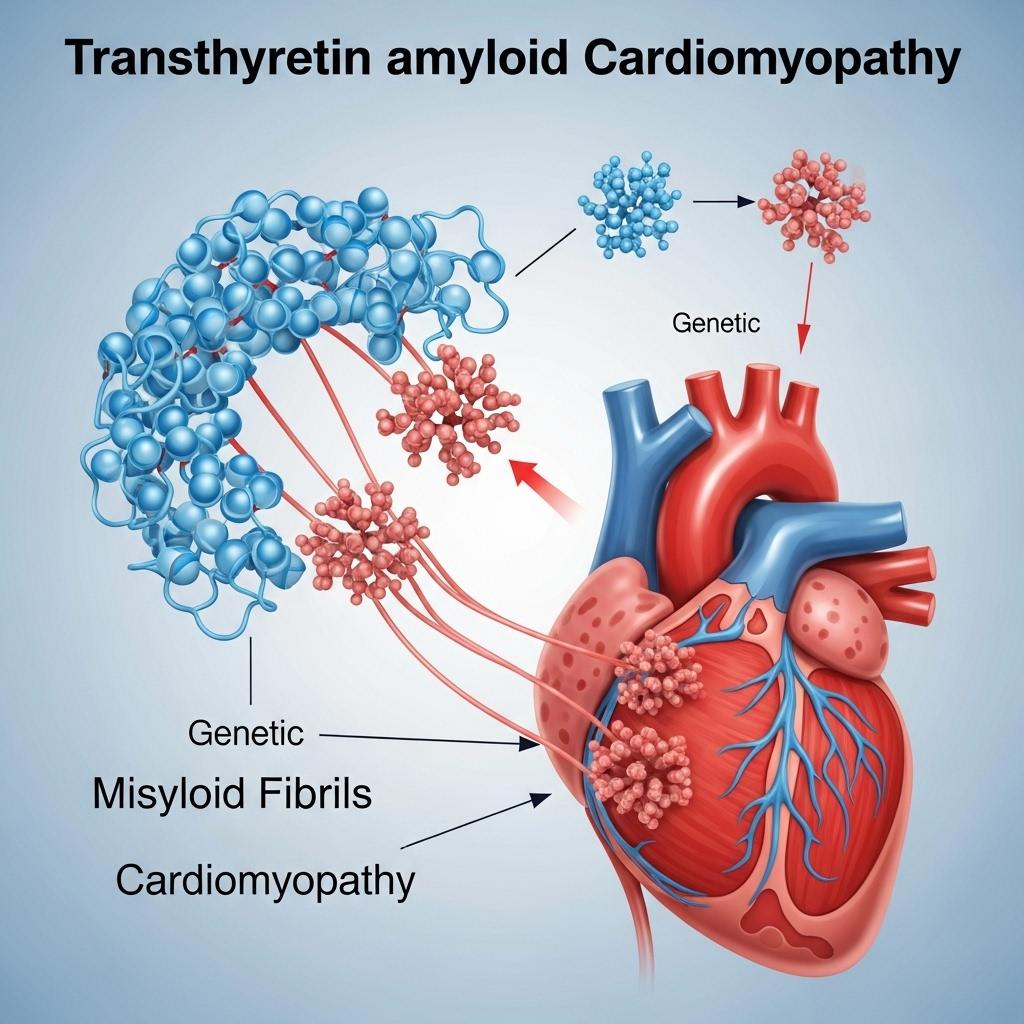
Transthyretin Amyloid Cardiomyopathy (ATTR-CM) is a progressive, often underdiagnosed form of restrictive cardiomyopathy caused by the deposition of misfolded transthyretin (TTR) protein in the myocardium. Affecting both genetic and aging populations, ATTR-CM has emerged as a critical and increasingly recognized cause of heart failure with preserved ejection fraction (HFpEF), particularly in older adults.
As awareness grows, so does the therapeutic opportunity, driven by advances in genetic testing, disease-modifying therapies, and biomarker-based diagnostics.
Request a sample copy of the CI report at: https://www.datamintelligence.com/strategic-insights/ci/transthyretin-amyloid-cardiomyopathy-genetic-disease-modifying-therapies
Pathogenesis and Subtypes: Wild-Type and Hereditary Forms
TTR is a liver-synthesized transport protein for thyroxine and retinol-binding protein. In ATTR-CM, TTR becomes unstable, misfolds, and aggregates as amyloid fibrils in the heart. This leads to increased wall thickness, impaired diastolic function, and conduction abnormalities.
There are two forms of ATTR-CM:
1. Wild-type (wtATTR): Typically presents in elderly males (>60 years) and is not linked to genetic mutations.
2. Hereditary (hATTR): Caused by autosomal dominant mutations in the TTR gene, with variable penetrance. Over 130 TTR mutations are known, including the common Val122Ile (prevalent in African ancestry) and Thr60Ala.
Clinical Presentation and Diagnosis
ATTR-CM often mimics other cardiac conditions, delaying diagnosis for years. Key features include:
1. Progressive dyspnea
2. Orthostatic hypotension
3. Peripheral edema
4. Syncope or arrhythmias
5. Carpal tunnel syndrome (often preceding cardiac symptoms)
Diagnostic Approach Includes:
* Cardiac imaging: Echocardiogram showing thickened ventricular walls; cardiac * MRI with late gadolinium enhancement.
* Technetium-99m pyrophosphate (PYP) scan: Non-invasive method to detect ATTR-CM, distinguishing it from AL amyloidosis.
* Genetic testing: Confirms hereditary forms and enables family screening.
* Biomarkers: Elevated NT-proBNP and troponin are common.
* A tissue biopsy may be used if diagnostic uncertainty remains.
Emerging Role of Genetic Testing and Family Counseling
In hereditary ATTR-CM, genetic confirmation supports early diagnosis, surveillance, and family planning. First-degree relatives benefit from cascade testing, especially in regions with known founder mutations. Genetic counseling is now standard in multidisciplinary amyloidosis clinics.
Therapeutic Advances: Moving Beyond Symptomatic Relief
Historically, treatment was limited to diuretics and rhythm management, but novel disease-modifying agents have changed the landscape.
Approved and Emerging Therapies:
1. Tafamidis (Vyndamax): A TTR stabilizer approved for ATTR-CM, shown in the ATTR-ACT trial to reduce mortality and hospitalizations.
2. Patisiran & Vutrisiran: RNA interference therapies approved for polyneuropathy in hATTR, under investigation for cardiomyopathy benefits.
3. Inotersen: Antisense oligonucleotide that reduces TTR synthesis.
4. Eplontersen: A next-generation antisense agent being studied for cardiac involvement.
5. CRISPR/Cas9 Gene Editing (NTLA-2001): In early trials for potentially one-time treatment targeting TTR gene silencing.
These therapies aim to stabilize, silence, or degrade TTR, offering long-term disease control and functional improvement.
Unmet Needs and Real-World Barriers
Despite progress, ATTR-CM remains underdiagnosed, particularly in non-specialist settings.
Key challenges include:
1. Low clinical suspicion
2. Overlap with hypertensive heart disease or HFpEF
3. Limited access to nuclear imaging in resource-limited areas
4. High cost of gene silencers and TTR stabilizers
5. Increased provider education, payer engagement, and decentralized testing strategies are essential for broadening access.
Request a CI consultation at:
Looking Ahead: Toward Early Detection and Precision Care
The future of ATTR-CM care lies in:
1. Early-stage detection via AI-enhanced ECG and imaging
2. Wider access to genetic screening and counseling
3. Real-world data on combination therapy strategies
4. Greater inclusion in heart failure and amyloidosis registries
As ATTR-CM transitions from a fatal disease to a chronic condition, multidisciplinary care spanning cardiology, genetics, neurology, and hematology will be vital in optimizing outcomes.
About DataM Intelligence
DataM Intelligence 4Market Research LLP delivers real-time competitive intelligence across autoimmune, immunologic, and rare disease spaces. Our insights span clinical pipelines, regulatory benchmarks, and commercialization strategies for stakeholders in global life sciences.
🔗 Visit: www.datamintelligence.com


 English
 Arabic
 עברית
עברית
 French
 Spanish
 Portuguese
 Deutsch
 Turkish
 Dutch
Dutch
 Italiano
 Russian
 Romaian
 Portuguese (Brazil)