


Latest Treatment Approaches in Advanced Liver Cancer
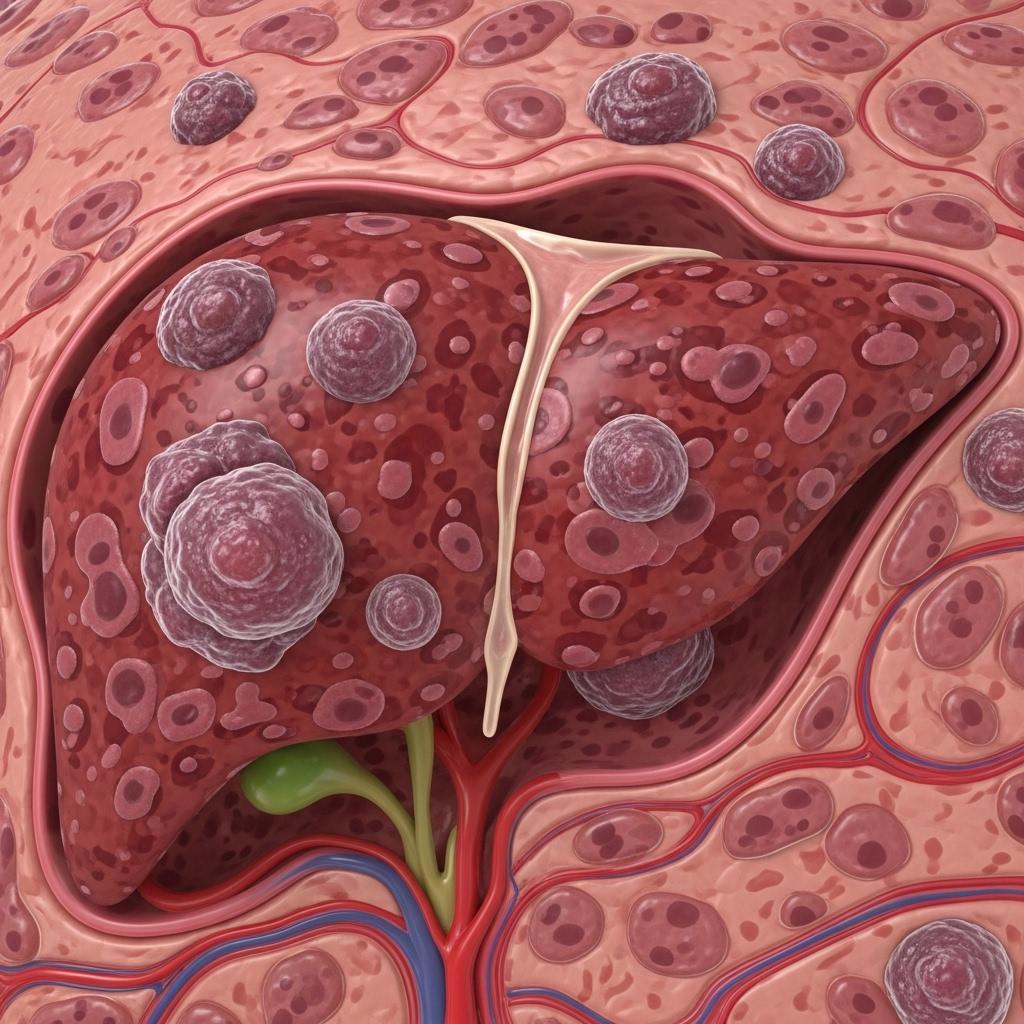
Hepatocellular carcinoma (HCC) is the most common form of primary liver cancer and represents a significant global health burden. Accounting for nearly 90% of all primary liver malignancies, HCC typically arises in the setting of chronic liver disease and cirrhosis. The global incidence is increasing, particularly in regions with high rates of hepatitis B and C, alcoholic liver disease, and non-alcoholic steatohepatitis (NASH).
The silent progression of liver damage often leads to delayed diagnosis, making early detection and curative interventions challenging. Despite advances in imaging, diagnostics, and therapeutics, HCC remains a leading cause of cancer-related deaths worldwide.
Request a sample copy of the CI report at: https://www.datamintelligence.com/download-sample/hepatocellular-carcinoma-treatment-market
Risk Factors and Pathogenesis
HCC development is multifactorial. Key risk factors include:
* Chronic hepatitis B *** (HBV) and hepatitis C *** (HCV) infection
* Cirrhosis of any cause (alcohol, NASH, autoimmune hepatitis)
* Aflatoxin B1 exposure
* Type 2 diabetes and obesity
* Genetic disorders (e.g., hemochromatosis, Wilson’s disease)
The pathogenesis of HCC involves persistent hepatic inflammation, fibrosis, and cellular injury, leading to genomic instability, angiogenesis, and malignant transformation of hepatocytes.
Clinical Presentation and Diagnosis
Early-stage HCC is often asymptomatic. When symptoms appear, they may include:
1. Right upper quadrant abdominal pain
2. Unintentional weight loss
3. Jaundice
4. Ascites or hepatic encephalopathy (in advanced cases)
Diagnostic confirmation involves:
1. Serum alpha-fetoprotein (AFP) measurement
2. Triphasic contrast-enhanced imaging (CT or MRI) showing arterial enhancement and venous washout
3. Liver biopsy in select cases
4. Routine surveillance in at-risk patients using ultrasound and AFP every 6 months significantly improves early detection.
Staging and Prognosis
The Barcelona Clinic Liver Cancer (BCLC) staging system is widely used, incorporating tumor burden, liver function (Child-Pugh score), and performance status.
It guides treatment allocation into five stages:
1. Very early (BCLC 0)
2. Early (BCLC A)
3. Intermediate (BCLC B)
4. Advanced (BCLC C)
5. Terminal (BCLC D)
Prognosis varies significantly by stage, liver function, and therapeutic access. Curative options offer 5-year survival rates above 60%, whereas advanced HCC has a median survival of under 12 months.
Treatment Landscape: Curative and Palliative Options
Treatment is stage-dependent and often requires multidisciplinary collaboration. Options include:
Curative therapies:
1. Surgical resection (preferred in non-cirrhotic patients or well-compensated cirrhosis)
2. Liver transplantation (meeting Milan or expanded criteria)
3. Percutaneous ablation (radiofrequency or microwave)
Locoregional and systemic therapies:
1. Transarterial chemoembolization (TACE) for intermediate-stage disease
2. Transarterial radioembolization (TARE) in selected cases
3. Targeted therapy (e.g., sorafenib, lenvatinib)
4. Immune checkpoint inhibitors (e.g., atezolizumab + bevacizumab)
5. Combination regimens in trials showing promise for first-line and refractory settings
Treatment choice must account for tumor characteristics, liver function reserve, and comorbidities.
Emerging Therapies and Innovation in HCC
Innovative approaches are reshaping HCC treatment:
1. Immunotherapy combinations, such as anti-PD-L1 with anti-VEGF, are now standard in first-line advanced disease
2. Adoptive cell therapy and CAR-T strategies are under investigation
3. Biomarker-driven treatment is an evolving frontier, aiming to individualize systemic therapy
4. Liquid biopsy and circulating tumor DNA (ctDNA) may offer non-invasive monitoring tools
5. Incorporation of AI-driven imaging ***ysis, molecular diagnostics, and real-world evidence is enhancing early detection and therapeutic precision.
Read the full CI Insights report:
https://www.datamintelligence.com/strategic-insights/hepatocellular-carcinoma-hcc
Challenges in Global HCC Care
Barriers persist in:
1. Surveillance adherence in at-risk populations
2. Access to advanced imaging and liver transplantation
3. Underutilization of curative therapy in low-resource settings
4. Treatment disparities across regions
Global initiatives must focus on HBV vaccination, early anti*** therapy, and public health strategies to reduce NASH and alcohol-related liver disease.
About DataM Intelligence
DataM Intelligence 4Market Research LLP delivers real-time competitive intelligence across autoimmune, immunologic, and rare disease spaces. Our insights span clinical pipelines, regulatory benchmarks, and commercialization strategies for stakeholders in global life sciences.
🔗 Visit: www.datamintelligence.com


 Arabic
 עברית
עברית
 French
 Spanish
 Portuguese
 Deutsch
 Turkish
 Dutch
Dutch
 Italiano
 Russian
 Romaian
 Portuguese (Brazil)
 Greek
Greek