


Vosoritide in Achondroplasia: A New Horizon for Pediatric Growth Therapy
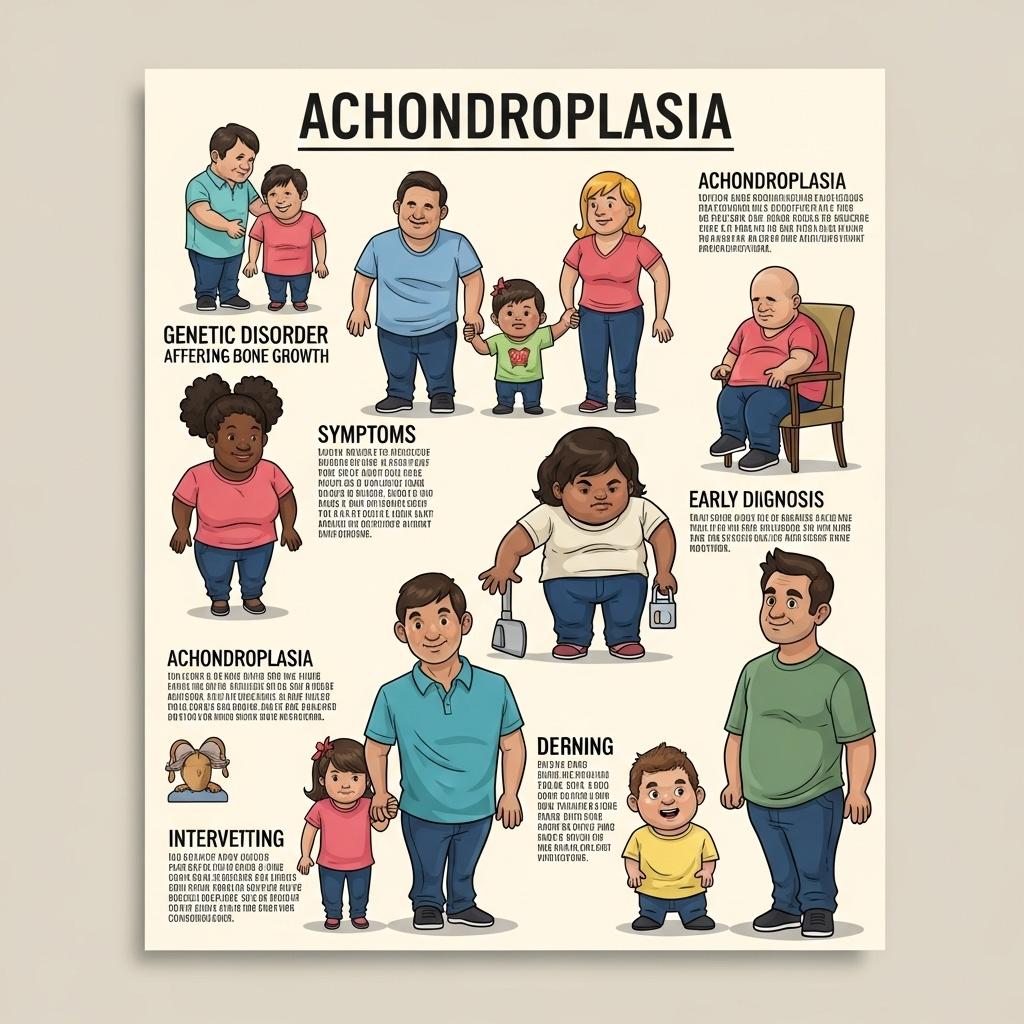
Achondroplasia is the most prevalent form of short-limb dwarfism, caused by a genetic mutation that affects bone growth. Individuals with this rare skeletal disorder typically have an average-sized trunk with disproportionately short limbs, a large head with a prominent forehead, and characteristic facial features. While physical differences are pronounced, intellectual and developmental milestones are usually normal.
This condition affects approximately 1 in 20,000 to 30,000 live births globally and is equally prevalent among all races and genders. Achondroplasia is caused by mutations in the FGFR3 gene, which regulates bone growth by limiting cartilage transformation into bone, particularly in the long bones.
Request a sample copy of the CI report at: https://www.datamintelligence.com/strategic-insights/sample/achondroplasia-competitive-intelligence
Genetic Basis and Inheritance
Achondroplasia follows an autosomal dominant inheritance pattern. Most cases (over 80%) result from de novo mutations, meaning they occur spontaneously and are not inherited. However, if one parent has achondroplasia, the chance of passing it on to offspring is 50%. If both parents are affected, the risk of the child inheriting two copies of the mutated gene—which is typically lethal in infancy—is 25%.
The condition is caused by a gain-of-function mutation in the fibroblast growth factor receptor 3 (FGFR3) gene located on chromosome 4. This mutation causes the receptor to become overactive, leading to impaired growth of cartilage and bone, especially at the growth plates.
Clinical Presentation and Complications
Infants with achondroplasia may be identified by shortened arms and legs, especially the upper segments (rhizomelia), macrocephaly, and hypotonia (low muscle tone).
As the child grows, other features become evident:
1. Delayed motor milestones due to joint laxity and muscle tone
2. Bowing of the legs
3. Lumbar lordosis (curved lower spine)
4. Frequent ear infections due to Eustachian tube dysfunction
5. Obstructive sleep apnea
***s may also develop spinal stenosis and chronic pain due to skeletal abnormalities. Intelligence and life expectancy are generally normal with proper management.
Diagnosis and Evaluation
Achondroplasia can be suspected prenatally via ultrasound in the third trimester and confirmed with molecular genetic testing for FGFR3 mutations. Postnatally, diagnosis is typically clinical, supported by radiographic imaging that shows characteristic skeletal changes:
* Narrowing of the foramen magnum
* Short, broad long bones
* Metaphyseal flaring and cupping
Early diagnosis is crucial for monitoring complications like hydrocephalus, spinal cord compression, and airway obstruction.
Treatment Strategies and New Therapeutic Advances
There is no cure for achondroplasia, and management focuses on symptom relief, preventing complications, and supporting development.
Key aspects include:
1. Regular monitoring of head size and development
2. ENT assessments for recurrent ear infections
3. Neurological evaluations for signs of spinal stenosis
4. Surgical interventions for spinal or limb complications when needed
One of the most promising advances is the approval of vosoritide (brand name: Voxzogo)—a C-type natriuretic peptide ***g that counteracts the effects of FGFR3 overactivity. Clinical trials have shown improved growth velocity in children with achondroplasia aged five and above.
Psychosocial Support and Adaptive Tools
Social integration, education, and independence are vital aspects of care. Children with achondroplasia often face psychosocial challenges related to height differences and peer acceptance. Family-centered care that includes counseling and community resources can promote confidence and healthy development.
Adaptive devices such as modified furniture, mobility tools, and custom sports equipment can also enhance functional independence.
Read the full CI Insights report: https://www.datamintelligence.com/strategic-insights/achondroplasia-competitive-intelligence
Long-Term Outlook and Emerging Research
With proactive medical care, individuals with achondroplasia can lead full, healthy lives.
Ongoing research is exploring:
1. Gene therapy targeting FGFR3 mutations
2. Long-acting growth regulators that may provide sustained benefits
3. Personalized rehabilitation plans based on digital health tracking
4. Broader access to vosoritide and other emerging biologics
These innovations may eventually redefine long-term outcomes and quality of life for people living with achondroplasia.
About DataM Intelligence
DataM Intelligence 4Market Research LLP delivers real-time competitive intelligence across autoimmune, immunologic, and rare disease spaces. Our insights span clinical pipelines, regulatory benchmarks, and commercialization strategies for stakeholders in global life sciences.
🔗 Visit: www.datamintelligence.com


 Portuguese (Brazil)
 English
 Arabic
 עברית
עברית
 French
 Spanish
 Portuguese
 Deutsch
 Turkish
 Dutch
Dutch
 Italiano
 Russian
 Romaian
 Greek
Greek