


Future Therapies for Spinocerebellar Ataxia: From ASOs to Gene Therapy
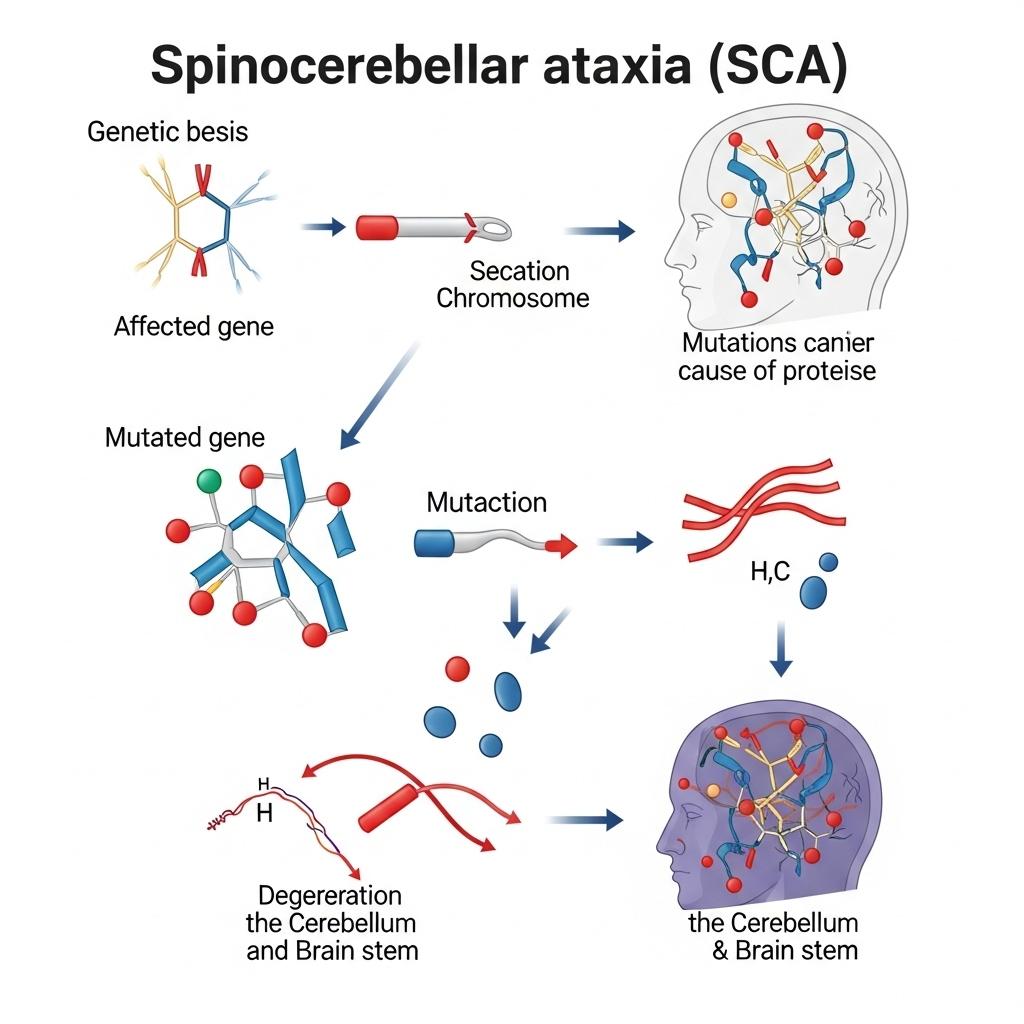
Spinocerebellar Ataxia (SCA) refers to a group of rare, genetically inherited neurodegenerative disorders that cause progressive loss of coordination and balance. Affecting the cerebellum and its connections, SCA leads to gait instability, slurred speech, and impaired fine motor control. With over 40 subtypes classified primarily by the specific genetic mutation involved, SCA remains a diagnostic and therapeutic challenge in neurogenetics.
Although symptom onset and severity vary by subtype, most SCAs are autosomal dominant and manifest in adulthood. There is currently no cure, but research is advancing toward targeted therapies and biomarker-driven care.
Request a sample copy of the CI report at: https://www.datamintelligence.com/download-sample/spinocerebellar-ataxia-market
Clinical Features and Subtype Diversity
The hallmark of SCA is ataxia, or incoordination of movement. Other neurological symptoms include:
1. Dysarthria (slurred speech)
2. Nystagmus (involuntary eye movement)
3. Dysphagia (difficulty swallowing)
4. Cognitive decline in some subtypes
5. Peripheral neuropathy and spasticity
Some SCAs also exhibit non-cerebellar features such as vision loss, Parkinsonism, or seizures, depending on the subtype.
The most common autosomal dominant SCAs include:
1. SCA1, SCA2, SCA3 (Machado-Joseph Disease): Caused by CAG trinucleotide repeat expansions
2. SCA6: A milder form, typically presenting with pure cerebellar symptoms
3. SCA7: Characterized by visual loss due to retinal degeneration
4. SCA17: Associated with psychiatric symptoms and cognitive dysfunction
Genetic Diagnosis and Counseling
Diagnosis is confirmed through genetic testing, typically after clinical suspicion based on neurological exam and family history. MRI imaging often shows cerebellar atrophy, while EMG may reveal signs of peripheral nerve involvement.
Genetic counseling plays a critical role due to the hereditary nature of SCA. Predictive testing for at-risk relatives must be accompanied by psychological support, particularly in disorders with no current treatment.
Disease Progression and Impact
The progression of SCA is gradual but irreversible. Most patients require assistive devices for mobility within 10–15 years of symptom onset. The emotional and socioeconomic impact is considerable, especially given the disease’s onset in working-age adults and its burden on caregivers.
No disease-modifying therapies currently exist. Management is symptomatic and multidisciplinary, involving:
* Physical and occupational therapy for coordination and mobility
* Speech therapy for dysarthria and swallowing
* Antidepressants or antispasmodics as needed
* Genetic and psychological support
Research and Therapeutic Landscape
Recent advances in molecular neuroscience have opened new directions for SCA *** development:
* Antisense oligonucleotides (ASOs): Target mutant RNA transcripts (in clinical trials for SCA3)
* RNA interference (RNAi): Silences gene expression at the transcriptional level
* Gene therapy: Aimed at delivering normal copies of affected genes or correcting mutations
Small molecule modulators: Targeting protein misfolding and aggregation
Additionally, efforts are underway to develop biomarkers (e.g., neurofilament light chain) for disease monitoring and trial endpoints.
Clinical trials remain limited by the heterogeneity and rarity of SCA subtypes. Collaborative efforts like the Ataxia Global Initiative and registries such as EUROSCA are driving progress in trial readiness and *** development.
Read the full CI Insights report: https://www.datamintelligence.com/strategic-insights/spinocerebellar-ataxia
Living with SCA: The Importance of Early Intervention
While curative treatments remain elusive, early diagnosis and multidisciplinary care can significantly improve quality of life. Incorporating gait training, adaptive devices, and home modifications early in the disease course slows functional decline.
Psychosocial support is equally vital, as many patients face anxiety, depression, and social withdrawal. Patient advocacy groups and community-based resources offer valuable education and peer support.
About DataM Intelligence
DataM Intelligence 4Market Research LLP delivers real-time competitive intelligence across autoimmune, immunologic, and rare disease spaces. Our insights span clinical pipelines, regulatory benchmarks, and commercialization strategies for stakeholders in global life sciences.
🔗 Visit: www.datamintelligence.com


 English
 עברית
עברית
 French
 Spanish
 Portuguese
 Deutsch
 Turkish
 Dutch
Dutch
 Italiano
 Russian
 Romaian
 Portuguese (Brazil)
 Greek
Greek