


RS Dental Instruments: A Complete Guide for Dental Professionals
Introduction
RS dental instruments are essential tools that ensure precision, safety, and efficiency in dental procedures. From routine examinations to complex surgeries, these instruments play a vital role in achieving optimal outcomes for patients. High-quality dental instruments not only improve treatment accuracy but also enhance patient comfort and practitioner efficiency.
This article provides a detailed overview of RS dental instruments, including their types, uses, benefits, maintenance, and frequently asked questions, helping dental professionals make informed decisions.
What Are RS Dental Instruments?
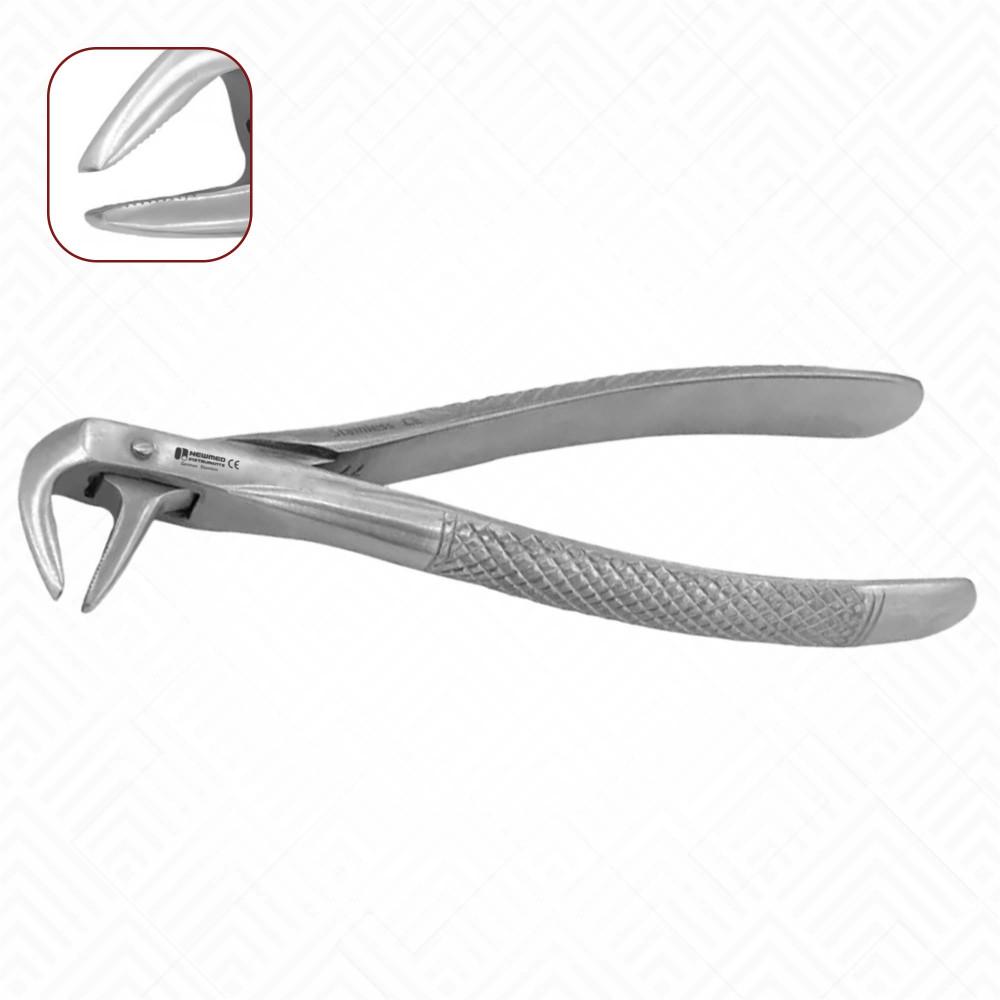
RS dental instruments refer to specialized tools designed to assist dentists and dental specialists in performing various procedures. They include instruments for diagnostics, cleaning, restorations, surgeries, orthodontics, and endodontics. Constructed from durable, corrosion-resistant materials, RS dental instruments maintain their sharpness and structural integrity even after repeated sterilization. Ergonomic designs ensure comfort and precision during delicate dental procedures.
Importance of RS Dental Instruments
High-quality dental instruments are crucial for:
-
Precision: Ensuring accurate diagnosis and treatment.
-
Efficiency: Reducing procedure time and improving workflow.
-
Durability: Maintaining functionality despite repeated use and sterilization.
-
Patient Comfort: Minimizing trauma and discomfort during treatment.
-
Hygiene: Supporting infection control standards.
Reliable instruments enhance clinical outcomes and practitioner confidence.
Types of RS Dental Instruments
1. Diagnostic Instruments
Diagnostic tools help identify dental issues and guide treatment planning.
Dental Mirrors
Provide indirect vision, illumination, and tissue retraction.
Explorers
Detect caries, calculus, and enamel defects.
Periodontal Probes
Measure gum pockets and assess periodontal health.
Cotton Pliers
Safely handle small items like cotton rolls or medication pellets.
2. Periodontal Instruments
These instruments are used for maintaining gum health and treating periodontal disease.
Scalers
Remove plaque and tartar from tooth surfaces.
Curettes
Perform deep cleaning and root planing.
Periodontal Knives
Reshape or remove diseased gum tissue during surgery.
3. Restorative Instruments
Restorative instruments help dentists remove decay, place fillings, and shape restorations.
Excavators
Remove decayed dentin efficiently.
Burnishers
Smooth and polish restorative materials.
Carvers
Shape restorations to replicate natural tooth anatomy.
Composite Placement Instruments
Aid in precise placement and contouring of composite materials.
4. Surgical Instruments
Surgical instruments are used during extractions, oral surgeries, and other operative procedures.
Forceps
Assist in tooth extraction with minimal tissue trauma.
Elevators
Loosen teeth or roots prior to extraction.
Periosteal Elevators
Reflect and retract soft tissue.
Surgical Scissors
Cut tissues and sutures accurately.
5. Orthodontic Instruments
Orthodontic tools facilitate teeth alignment, bracket placement, and wire adjustments.
Orthodontic Pliers
Bend wires, adjust brackets, and remove appliances.
Wire Cutters
Trim excess arch wires safely and precisely.
Band Placement and Removal Tools
Ensure accurate positioning of orthodontic bands.
6. Endodontic Instruments
These instruments are essential for root canal procedures.
Files and Reamers
Shape and clean root canals effectively.
Spreaders and Pluggers
Compact filling materials during obturation.
Rubber Dam Instruments
Provide isolation for a sterile working environment.
Benefits of Using RS Dental Instruments
1. Improved Precision
Sharp and well-designed instruments allow for accurate diagnosis and treatment.
2. Enhanced Ergonomics
Ergonomic handles reduce hand fatigue, especially during long procedures.
3. Durability
High-quality materials resist corrosion and maintain performance over time.
4. Better Patient Experience
Minimizes tissue trauma and increases comfort during dental procedures.
5. Versatility
RS dental instruments are suitable for general dentistry, periodontics, restorative dentistry, surgery, orthodontics, and endodontics.
How to Choose the Right RS Dental Instruments
1. Assess Your Practice Needs
Select instruments based on the procedures performed most frequently.
2. Check Material Quality
Opt for medical-grade stainless steel or corrosion-resistant alloys.
3. Focus on Ergonomics
Comfortable, well-balanced handles reduce fatigue and improve control.
4. Ensure Precision
Choose instruments with sharp and accurate working ends.
5. Sterilization Compatibility
Ensure the instruments can withstand repeated autoclaving without damage.
Maintenance of RS Dental Instruments
1. Cleaning
Rinse instruments immediately after use to remove debris.
2. Disinfection
Immerse in approved disinfectants before sterilization.
3. Sterilization
Autoclave instruments to ensure complete sterilization. Dry thoroughly to prevent rust.
4. Inspection
Regularly check for signs of wear, dullness, or damage. Replace or repair instruments as needed.
5. Proper Storage
Store instruments in trays or cassettes to prevent damage and maintain hygiene.
FAQs About RS Dental Instruments
1. What are RS dental instruments used for?
They are used for diagnosis, cleaning, restoration, surgery, orthodontics, and root canal procedures.
2. Are RS dental instruments suitable for all dental specialties?
Yes, they are versatile and applicable in general dentistry, periodontics, orthodontics, endodontics, and surgical procedures.
3. How should RS dental instruments be sterilized?
Most RS dental instruments are autoclavable. Proper cleaning and disinfection prior to sterilization are essential.
4. How often should RS dental instruments be replaced?
Instruments should be replaced when they show dullness, corrosion, bending, or other damage that affects performance.
5. Can dental students use RS dental instruments?
Yes, they are suitable for both professionals and students due to their ergonomic design and precision.
Conclusion
RS dental instruments are indispensable in modern dentistry, offering precision, durability, and comfort for dental professionals. Proper selection, maintenance, and sterilization ensure long-lasting performance and improved patient outcomes. From diagnostic tools to surgical instruments, RS dental instruments support every aspect of dental care, making them a cornerstone of quality dental practice.


 Portuguese (Brazil)
 English
 Arabic
 עברית
עברית
 French
 Spanish
 Portuguese
 Deutsch
 Turkish
 Dutch
Dutch
 Italiano
 Russian
 Romaian
 Greek
Greek