


Beyond the Stadium: The Heart and Soul of American Fan Culture
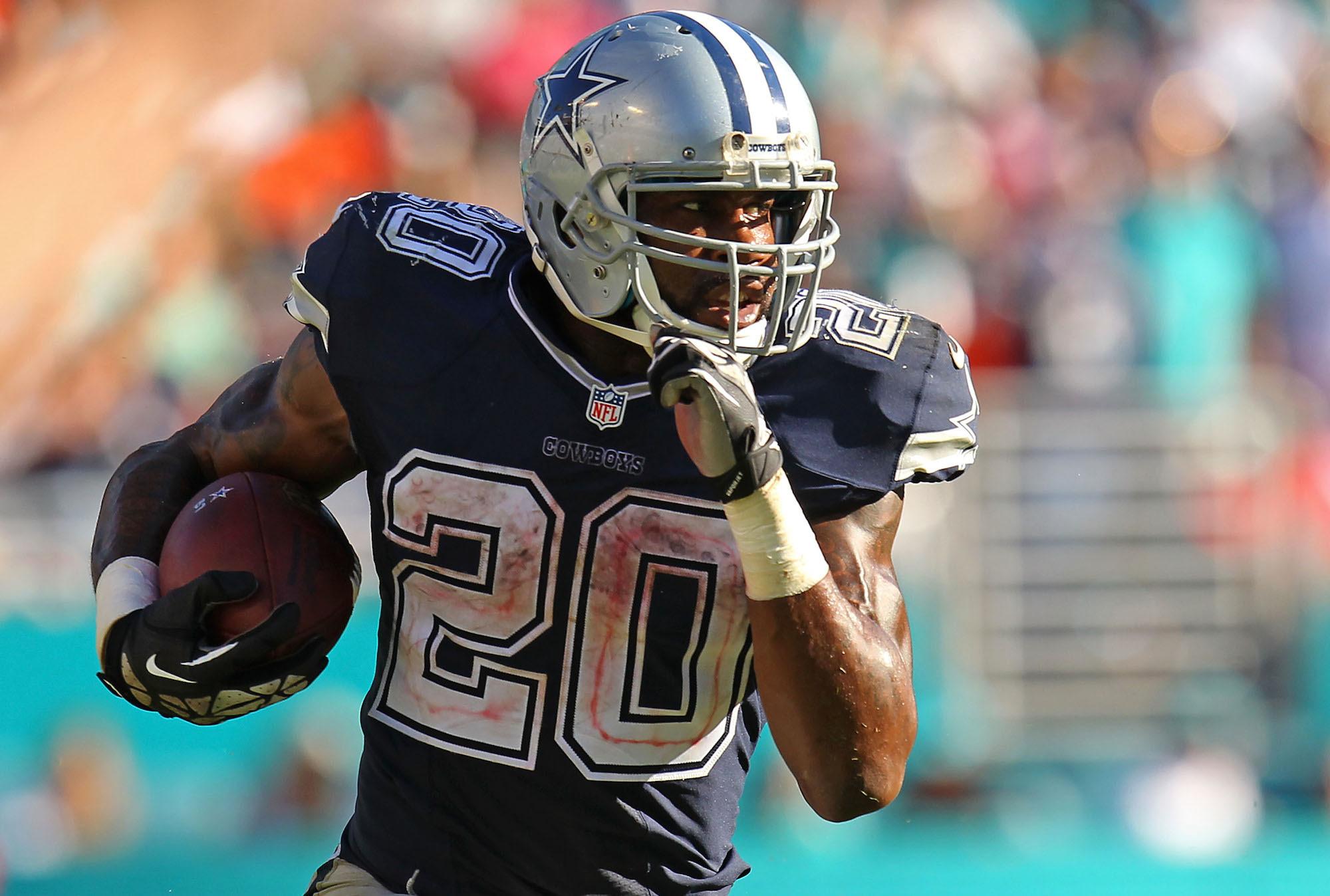
Walk into any sports bar in Chicago on a Sunday afternoon, and you’ll see it instantly: a sea of navy blue and orange, fans high-fiving over touchdowns, and strangers arguing passionately about a referee’s call—like they’ve known each other for decades. This isn’t just about watching a game; it’s American fan culture in action: loud, loyal, and deeply woven into the fabric of daily life.
American sports fandom isn’t a casual hobby. It’s a tradition passed down from grandparents to kids, a way to mark holidays, and a language that bridges divides. Whether it’s football, baseball, basketball, or hockey, fans don’t just “support” their teams—they live for them. Let’s dive into what makes this culture so unique, and why it’s more than just cheering on athletes.
1. Game Day: A Ritual, Not Just a Event
For Americans, game day is a full-scale production—one that starts hours (or even days) before the first whistle. Take NFL Sundays, the country’s unofficial weekly holiday: families wake up early to fire up grills, friends gather with coolers of beer and plates of buffalo wings, and living rooms are transformed into mini stadiums with team flags, jerseys, and foam fingers.
In Green Bay, Wisconsin, home of the Packers, this ritual reaches almost religious heights. Lambeau Field’s parking lot—dubbed “Lambeauville”—fills with fans at dawn for “tailgating” (grilling, playing games, and celebrating) even in sub-zero temperatures. They wear cheese-shaped hats (“cheeseheads”), sing team anthems, and share stories of games past. For Packers fans, supporting the team isn’t just about football; it’s about honoring a legacy that dates back to 1919, when the team was founded by a meatpacker named Curly Lambeau.
Baseball fans take a more laid-back approach, but no less passionate. At Boston’s Fenway Park, home of the Red Sox, fans line up hours early to grab a seat in the “Green Monster” (the park’s iconic 37-foot-tall left-field wall) and sing “Sweet Caroline” in the middle of the eighth inning—every single game. It’s a tradition that started in 1997, and now, even first-time visitors join in, arms around strangers, belting out the lyrics like they’ve been doing it for years.
These rituals aren’t just about having fun. They’re about belonging. When you’re tailgating at Lambeau or singing “Sweet Caroline” at Fenway, you’re part of something bigger than yourself—a community that shares the same joys, frustrations, and hopes.
2. Fandom as Identity: Your Team, Your Story
In America, your favorite team isn’t just a choice—it’s often part of your identity. Grew up in New York? You’re probably a Yankees or Mets fan, and that loyalty stays with you even if you move to California. Went to college in Alabama? You’ll bleed crimson for the Crimson Tide football team for life.
This identity runs deep. In Pittsburgh, Steelers fans are known for their “Terrible Towels”—yellow towels that they wave during games to cheer on the team. The tradition started in 1975, when a local sportscaster suggested fans bring towels to support the Steelers during a playoff game. Now, millions of Terrible Towels are sold every year, and fans take them to weddings, graduations, and even funerals. For Steelers fans, the towel isn’t just a accessory; it’s a symbol of pride in their city and their team.
Fandom also crosses generations. In Chicago, a grandfather might teach his grandson how to score a Cubs game in a notebook (a baseball tradition) while telling stories about watching games at Wrigley Field in the 1960s. aliexpressjersey That grandson will grow up teaching his own kids the same things, passing down not just a love of the team, but a connection to family history.
Even when teams lose—sometimes for decades—fans stay loyal. The Chicago Cubs went 108 years without winning a World Series (from 1908 to 2016), but Cubs fans never gave up. They called themselves “the Lovable Losers,” and they kept filling Wrigley Field, singing “Go, Cubs, Go!” and believing that one day, their team would win. When the Cubs finally took the title in 2016, fans cried, hugged strangers, and celebrated in the streets—proving that loyalty isn’t just about winning; it’s about sticking with your team through the tough times.
3. Fandom Beyond the Field: Changing Communities, One Game at a Time
American fan culture isn’t just about cheering—it’s about giving back. Teams and fans often use their passion to make a difference in their communities, turning game days into opportunities to help others.
The New Orleans Saints, for example, became a symbol of hope for the city after Hurricane Katrina in 2005. The storm destroyed the Superdome (the Saints’ home stadium), and the team had to play their entire 2005 season on the road. But Saints fans didn’t abandon their team—they rallied around them, and when the Saints finally returned to the Superdome in 2006, the game was a emotional moment for the city. The Saints went on to win the Super Bowl in 2009, and since then, the team has raised millions of dollars for hurricane relief and community projects in New Orleans.
Fans also take action on their own. In Seattle, Seahawks fans started a movement called “12s for Good,” where they volunteer at local food banks, homeless shelters, and schools on game days. The “12s” (the team’s nickname for their fans, who are considered the “12th man” on the field) have packed thousands of meals for the hungry, built playgrounds for kids, and donated clothes to those in need. For Seahawks fans, supporting their team means supporting their community, too.
Even small acts of kindness matter. At a Kansas City Chiefs game, a fan might buy a stranger a hot dog if they’re wearing a Chiefs jersey. At a Los Angeles Lakers game, fans might collect toys for charity during halftime. These small gestures add up, turning fandom into a force for good.
Why It Matters: Fandom as a Unifier
In a country as diverse as America, it’s not always easy to find common ground. But sports fandom brings people together—regardless of race, politics, or background. A die-hard Democrat and a passionate Republican can put their differences aside to cheer for the same football team. A new immigrant and a lifelong local can bond over a baseball game, even if they don’t speak the same language.
American fan culture is about more than touchdowns, home runs, or slam dunks. It’s about community. It’s about tradition. It’s about finding joy in something bigger than yourself. Whether you’re tailgating at Lambeau, singing “Sweet Caroline” at Fenway, or volunteering with the 12s, you’re part of a culture that celebrates loyalty, passion, and connection.
So the next time you see a group of fans screaming at a TV or waving a team flag, remember: they’re not just watching a game. They’re living a part of what makes America, America. And that’s something worth cheering for.
Patrocinados
Patrocinados


Patrocinados
© 2025 Friends - Best Social Network - החברים - רשת חברתית
 Spanish
Spanish
 English
 Arabic
 עברית
עברית
 French
 Portuguese
 Deutsch
 Turkish
 Dutch
Dutch
 Italiano
 Russian
 Romaian
 Portuguese (Brazil)
 Greek
Greek