


FMCG Recycling company in UAE for Eco-Friendly Solutions
♻️ FMCG Recycling and Metal Recycling: Building a Sustainable Future
The world is changing faster than ever, and with it, our habits of consumption and waste generation. Every day, billions of packaged products are used and discarded, while tons of metal scrap come from vehicles, buildings, and machinery. Managing this enormous waste is a major environmental challenge that affects both people and the planet. Among the most effective solutions to this global issue are FMCG Recycling and Metal Recycling, two essential processes that help create a cleaner, greener, and more sustainable world.
Understanding FMCG Recycling
What FMCG Means
FMCG stands for Fast-Moving Consumer Goods — the everyday products people buy regularly, such as packaged foods, soft drinks, toiletries, and cleaning agents. These items are sold in huge quantities and have short shelf lives. Because they move quickly through the market, they generate a massive amount of packaging waste, including plastics, paper, glass, and aluminum. This makes FMCG Recycling a vital part of modern waste management.
Why FMCG Recycling Matters
FMCG packaging is often designed for convenience rather than sustainability. A lot of it is single-use, and many packages are made of mixed materials that are hard to recycle. Without proper recycling systems, much of this waste ends up in landfills, rivers, and oceans, causing pollution and harming wildlife. By recycling FMCG packaging, we can recover valuable materials, reduce pollution, and lower the pressure on natural resources. Recycling also reduces the need to produce new raw materials, saving energy and minimizing greenhouse gas emissions.
The Process of FMCG Recycling
Collection and Sorting
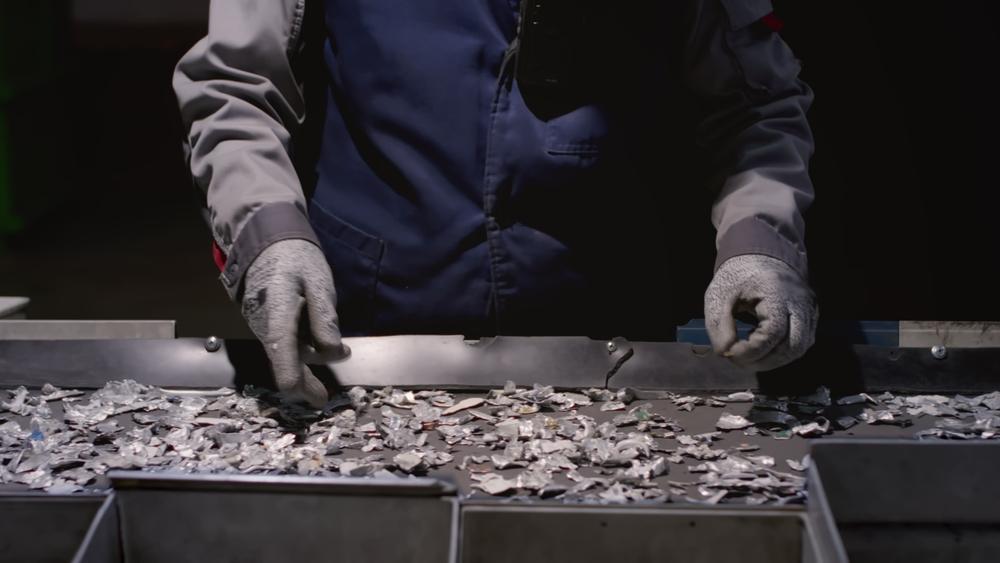
The recycling journey begins with collection. Waste packaging is gathered from households, commercial centers, and recycling bins. It then goes to sorting facilities where different materials like plastic, glass, and paper are separated. Advanced sorting technologies such as sensors and air separators are now helping companies improve efficiency.
Cleaning and Processing
Once sorted, the materials are cleaned to remove labels, residues, and dirt. Clean materials are shredded or melted to create new raw materials. For example, plastic bottles are turned into flakes or pellets that can be used to make new packaging or textiles. Aluminum cans are melted to create new cans or industrial materials. The entire process helps reduce dependence on virgin resources.
Circular Economy and Brand Responsibility
The goal of recycling is to build a circular economy — a system where products are made, used, and then transformed into new materials rather than being discarded. Many major brands have started designing eco-friendly packaging that can be easily recycled or reused. These efforts not only support sustainability but also strengthen Brand Protection, as consumers increasingly prefer companies that show genuine care for the environment.
Challenges in FMCG Recycling
Despite technological progress, several challenges still limit the success of FMCG recycling. Mixed or multi-layer packaging — such as chips packets made of both plastic and aluminum — is often non-recyclable. Another problem is contamination, which happens when food waste or non-recyclable materials are thrown in recycling bins. This contamination lowers the quality of recyclables and increases processing costs. In many regions, the lack of proper waste collection systems also means recyclable materials are lost in general waste. Public awareness is crucial to improve recycling rates; consumers must learn to separate their waste properly and support recycling initiatives.
Environmental and Economic Impact of FMCG Recycling
Recycling helps protect the planet in many ways. By turning used packaging into new materials, we reduce the demand for fresh raw resources like oil, paper pulp, and metals. This conserves forests, cuts energy consumption, and decreases air and water pollution. The recycling industry also generates employment — from waste collection to material recovery — contributing to local economies. For brands, adopting sustainable recycling strategies enhances their image and builds long-term trust among eco-conscious consumers. Many companies now highlight their recycling commitments as part of their Brand Protection strategy to maintain a positive reputation in competitive markets.
The Future of FMCG Recycling
The future of recycling in the FMCG sector looks promising as new technologies emerge. Companies are experimenting with biodegradable materials and compostable packaging made from plants or natural fibers. Artificial intelligence is being used to detect and sort waste more accurately, while deposit return schemes reward consumers for returning bottles and cans. Governments worldwide are enforcing stricter laws that hold producers responsible for their waste, known as Extended Producer Responsibility (EPR). As innovation and regulation come together, FMCG recycling is gradually moving toward a closed-loop model, where waste becomes a resource rather than a problem.
Metal Recycling: Turning Waste into Wealth
What is Metal Recycling?
While FMCG recycling deals with consumer packaging, Metal Recycling focuses on industrial materials and metallic waste from vehicles, construction, and manufacturing. Metals are among the most valuable and reusable materials on earth. Unlike plastic or paper, metals can be recycled many times without losing their strength or quality. This makes metal recycling one of the most sustainable and profitable forms of waste management.
The Metal Recycling Process
The process begins with collecting scrap metal from different sources such as construction sites, factories, or old appliances. The collected scrap is then sorted into two categories: ferrous metals, which contain iron (like steel and cast iron), and non-ferrous metals, such as copper, aluminum, and zinc. Sorting is often done using magnets and other separation methods. Once sorted, the metal is cleaned, shredded, and melted in high-temperature furnaces. The molten metal is purified and molded into bars, rods, or sheets that manufacturers can reuse in new products, from car parts to building materials.
Environmental Benefits
The environmental benefits of metal recycling are remarkable. Producing metals from recycled scrap requires far less energy than producing them from raw ore. For example, recycling aluminum saves up to ninety-five percent of the energy used to make it from bauxite. This not only conserves natural resources but also reduces greenhouse gas emissions. Recycling metals helps prevent land degradation and water pollution caused by mining, while also lowering industrial waste generation. Through Metal Recycling, industries can significantly reduce their carbon footprint and contribute to a healthier planet.
Economic Importance of Metal Recycling
Metal recycling is not only good for the environment but also for the economy. The global metal recycling industry is worth billions of dollars and provides employment for millions of people. It reduces production costs for manufacturers and ensures a stable supply of raw materials. Developing countries benefit particularly from this industry, as it supports small and medium businesses engaged in collection and processing. Governments that promote recycling through incentives and regulations often see economic growth and improved environmental performance side by side.
Challenges in Metal Recycling
Despite its advantages, metal recycling also faces obstacles. Contaminated or mixed scrap can be difficult to process. The melting process consumes energy and produces emissions if not properly managed. Illegal or unregulated scrap trading can lead to unsafe practices and environmental harm. To overcome these issues, strict quality standards and advanced recycling technologies must be applied. Governments and industries should work together to ensure transparency, safety, and efficiency throughout the recycling chain.
FMCG Recycling and Metal Recycling: A Shared Mission
Both FMCG recycling and metal recycling serve a common goal — to protect the environment by turning waste into valuable resources. While FMCG recycling focuses on lightweight consumer packaging and depends heavily on public participation, metal recycling deals with heavier industrial materials and offers greater economic returns. Together, they support a sustainable, circular economy that benefits people, businesses, and the planet alike. As awareness grows, individuals and companies are realizing that recycling is not just a responsibility but also an opportunity for innovation and progress.
Recycling, Responsibility, and the Future
Recycling is now part of the global sustainability agenda. Governments, industries, and communities are coming together to build cleaner cities and reduce the burden on landfills. Schools and organizations are teaching the value of waste segregation, while manufacturers are redesigning products for easier recycling. With continued technological advancement, digital waste tracking systems, and stronger environmental laws, both FMCG and metal recycling will play an even greater role in shaping a circular economy where nothing is wasted.
Frequently Asked Questions (FAQs)
Q1. What is FMCG Recycling?
FMCG Recycling means collecting, processing, and reusing packaging waste from fast-moving consumer goods like food, beverages, and cleaning products. It helps reduce pollution and saves valuable materials from ending up in landfills.
Q2. What is Metal Recycling and why is it important?
Metal Recycling is the recovery and reuse of metals from scrap or discarded products. It’s important because it saves energy, reduces mining, conserves natural resources, and minimizes industrial pollution.
Q3. How does recycling help the environment?
Recycling helps by lowering waste volumes, reducing the demand for new raw materials, saving energy, and cutting greenhouse gas emissions that contribute to climate change.
Q4. What role do consumers play in recycling?
Consumers can make a big difference by separating recyclables at home, avoiding single-use plastics, and choosing eco-friendly brands. Responsible disposal habits make recycling systems more effective.
Q5. How does recycling support Brand Protection?
Recycling supports Brand Protection by proving that companies care for the environment and take responsibility for their products. It enhances a brand’s trust, reputation, and compliance with sustainability goals.
🌍 Conclusion
Recycling is no longer optional; it’s essential for the health of our planet. Through FMCG Recycling, we can manage packaging waste responsibly and encourage consumers to live sustainably. Through Metal Recycling, industries can conserve energy, reduce emissions, and create economic value. Both forms of recycling strengthen global efforts to protect nature and build a circular economy that values resources instead of wasting them. By working together — individuals, brands, and governments — we can turn waste into opportunity and create a cleaner, more responsible future for all.


 Arabic
 עברית
עברית
 French
 Spanish
 Portuguese
 Deutsch
 Turkish
 Dutch
Dutch
 Italiano
 Russian
 Romaian
 Portuguese (Brazil)
 Greek
Greek