


Lab Grown Diamonds vs. Natural Diamonds: Which Should You Choose?
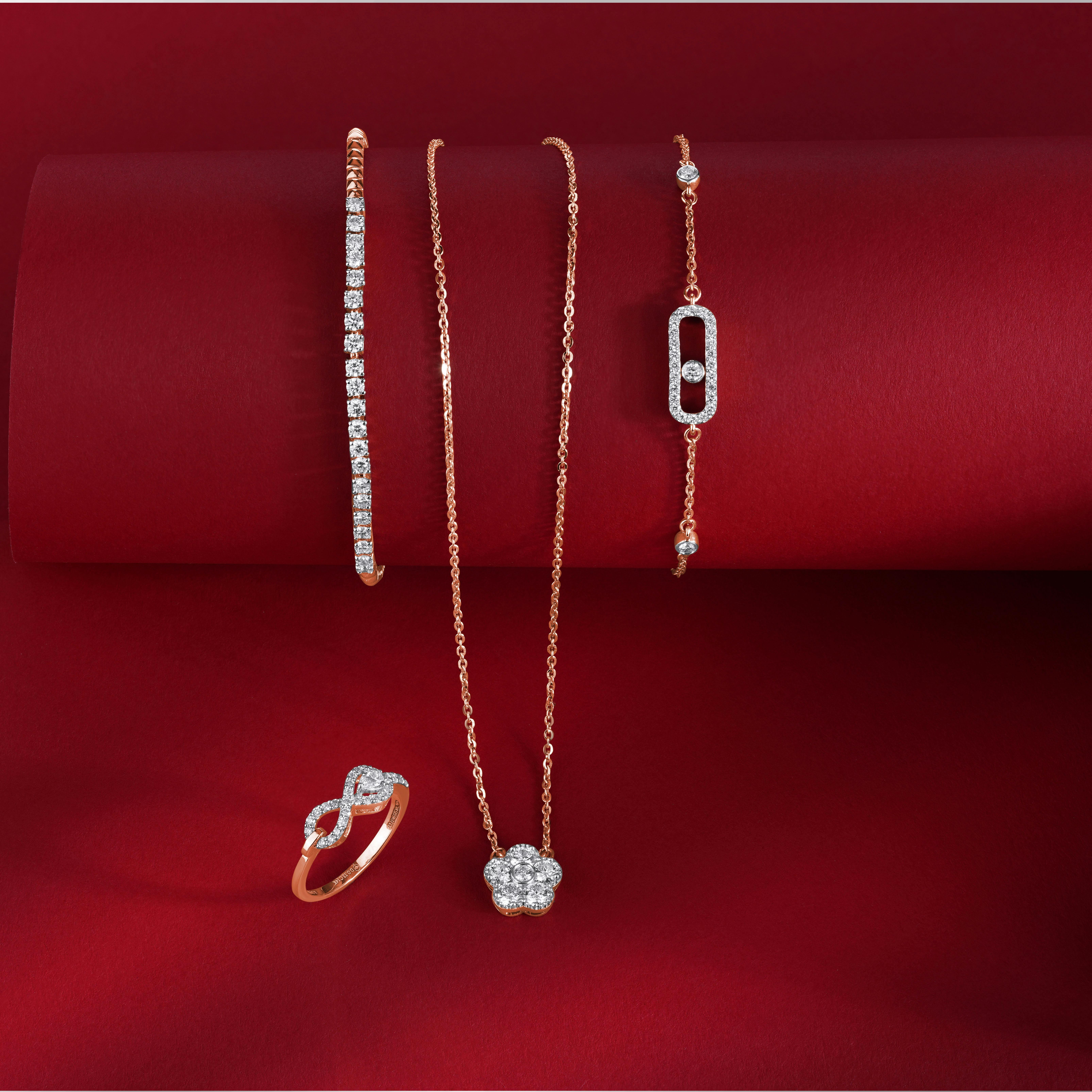
Choosing between lab-grown diamonds and natural diamonds can feel overwhelming — especially when both look nearly identical to the naked eye. Whether you’re buying an engagement ring, earrings, or a special-occasion gift, understanding the differences will help you make the best choice for your budget, values, and lifestyle.
This guide breaks down everything you need to know about lab-grown vs. natural diamonds in simple, clear language.
💎 What Are Lab-Grown Diamonds?
Lab-grown diamonds are real diamonds created in advanced laboratories using high-pressure or chemical vapor deposition techniques.
They have the same physical, chemical, and optical properties as natural diamonds — meaning they sparkle the same, last the same, and test the same on a diamond tester.
They are not fake, synthetic, or imitation stones.
They are real diamonds — just grown above the ground, not mined from it.
💎 What Are Natural Diamonds?
Natural diamonds are formed deep inside the Earth over billions of years through immense pressure and heat.
They are mined from the Earth and then cut and polished to create the gemstones we see in jewellery.
Many people choose natural diamonds for their rarity, geological history, and traditional value.
⭐ Key Differences: Lab-Grown vs. Natural Diamonds
Here’s a clear comparison to help you decide:
1. Appearance & Quality
Lab-grown:
✔ Indistinguishable from natural diamonds
✔ Same sparkle, clarity, hardness, and brilliance
✔ Often come with better clarity or color at the same price
Natural:
✔ Also real diamonds with identical structure
✔ May have more unique inclusions due to natural formation
✔ Known for rarity and heritage
Verdict:
Both look the same. You cannot tell the difference without specialized lab equipment.
2. Price
Lab-grown diamonds cost 40%–70% less than natural diamonds of the same quality.
Why?
-
No mining
-
Shorter supply chain
-
More efficient production
Natural diamonds are significantly more expensive due to rarity, mining costs, and long supply chains.
Verdict:
If you want a bigger or better-quality diamond for less money, lab-grown is the clear winner.
3. Environmental Impact
Lab-grown:
✔ Eco-friendly
✔ No mining, land disruption, or water waste
✔ Lower carbon footprint
Natural:
✘ Mining can cause soil erosion, habitat loss, and high carbon emissions
✘ Heavy machinery and large-scale excavation are often required
Verdict:
Lab-grown diamonds are the more sustainable and ethical choice.
4. Certification
Both types can be certified by reputable labs such as GIA or IGI.
The certificate includes:
-
Cut
-
Color
-
Clarity
-
Carat
-
Diamond type (natural or lab-grown)
Verdict:
Both are reliable — just ensure you buy certified diamonds.
5. Emotional Value
Lab-grown:
✔ Perfect for modern buyers who value ethics, affordability, and technology
✔ Great for gifting and everyday luxury
Natural:
✔ Preferred by those who appreciate tradition, rarity, and natural formation
✔ Often seen as a more “classic” choice
Verdict:
Both have emotional value — choose based on personal preference.
6. Investment Value
Lab-grown:
✘ Not ideal as a long-term investment
✘ Prices may decrease as technology advances
Natural:
✔ Historically hold value better
✔ Considered collectible due to rarity
Verdict:
If resale or investment matters: choose natural.
If beauty + affordability matter: choose lab-grown.
💍 Which Should You Choose?
Here’s a quick guide:
✔ Choose Lab-Grown Diamonds if you want:
-
Bigger diamonds for your budget
-
Ethical, eco-friendly jewellery
-
Modern, minimalist, or everyday wear
-
Engagement rings without overspending
✔ Choose Natural Diamonds if you want:
-
Traditional value
-
Geological rarity
-
A piece with natural history behind it
-
Long-term investment potential
🎉 Final Verdict
Both lab-grown and natural diamonds are real, beautiful, and durable.
The right choice depends on what matters most to you:
👉 Price & ethics → Lab-grown diamonds
👉 Tradition & long-term value → Natural diamonds
Either way, you’re choosing a timeless gemstone that will last a lifetime.


 English
 Arabic
 עברית
עברית
 French
 Spanish
 Portuguese
 Deutsch
 Turkish
 Dutch
Dutch
 Italiano
 Russian
 Portuguese (Brazil)
 Greek
Greek