


Heart Valve Disease: Symptoms & Treatment
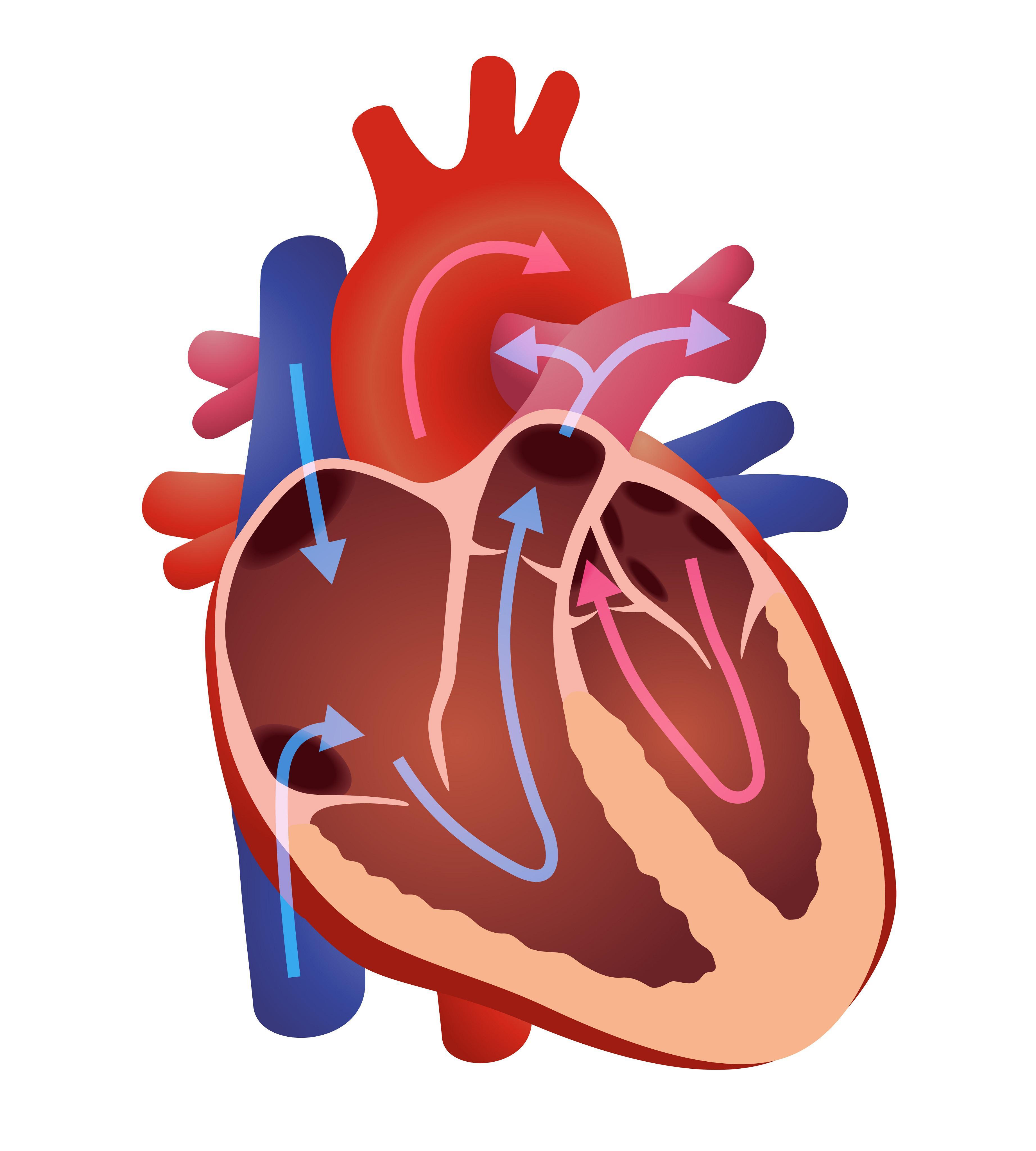
Heart valve disease is more common than many people realize, yet it often goes unnoticed in its early stages. Your heart has four valves—mitral, tricuspid, aortic, and pulmonary—and each plays a crucial role in ensuring blood flows smoothly in the right direction. When one or more of these valves become narrow, leaky, or fail to open and close properly, the heart must work harder. Over time, this can lead to fatigue, breathlessness, swelling, and even serious complications. Understanding the symptoms and available treatments helps you take timely action and protect your heart health.
What Is Heart Valve Disease?
Heart valve disease refers to any condition that affects how one or more valves in the heart function. These valves ensure that blood moves forward efficiently with every heartbeat. When a valve becomes damaged, stiff, or fails to seal properly, it disrupts normal circulation. The most common problems are stenosis (narrowing of the valve), regurgitation (leakage of blood backward), and prolapse (improper closure of the valve). Some people are born with valve abnormalities, while others develop them due to aging, infections, high blood pressure, or heart conditions. Regardless of the cause, early diagnosis and management can significantly improve long-term outcomes.
Common Symptoms of Heart Valve Disease
Symptoms of heart valve disease vary depending on which valve is affected and how severe the condition is. In many cases, people may not experience symptoms initially, and the problem is discovered accidentally during a routine checkup. However, once symptoms appear, they tend to progress gradually. It’s important to pay attention to these subtle changes, as early treatment helps prevent complications like heart failure or arrhythmias.
Shortness of Breath
One of the earliest and most frequent symptoms is difficulty breathing, especially during physical activity or when lying flat. This occurs when the heart struggles to pump blood efficiently, causing fluid buildup in the lungs. Over time, even simple tasks such as walking short distances or climbing stairs may leave you feeling winded.
Chest Pain or Pressure
Some people experience discomfort, tightness, or pressure in the chest. This can occur when the heart is forced to work harder to push blood through a stiff or narrowed valve. While not all chest pain is linked to valve disease, it’s a symptom that should always be taken seriously and evaluated promptly.
Fatigue and Low Stamina
Because the heart is not pumping blood effectively, the body receives less oxygen, leading to persistent tiredness. Many people with valve disease describe feeling unusually exhausted even after mild activities. This drop in energy is often one of the signs that prompts patients to seek medical advice.
Swelling in Legs, Feet, or Abdomen
Fluid buildup, known as edema, may appear in the lower limbs or abdomen. This happens because the heart’s reduced efficiency causes blood to back up in veins and tissues. Swelling often worsens later in the day and may improve slightly after rest, but it typically returns if the underlying problem remains untreated.
Irregular or Rapid Heartbeat
A fluttering or racing heartbeat can occur when damaged valves disrupt normal electrical signals in the heart. Some people may feel skipped beats or abnormal rhythms, which can be uncomfortable and alarming. Persistent irregular heartbeat requires medical attention to avoid complications.
Types of Heart Valve Disease
Heart valve disease does not present the same way in every patient. The specific type depends on which valve is affected and how severe the dysfunction is. Understanding these differences helps doctors choose the right treatment approach.
Aortic Stenosis
This is one of the most common and serious types of valve disease. In aortic stenosis, the aortic valve becomes narrowed, making it harder for the heart to push blood into the body. It can cause chest pain, dizziness, fainting, and shortness of breath. It often progresses with age.
Mitral Valve Regurgitation
In this condition, the mitral valve does not close completely, causing blood to leak backward into the left atrium. This can lead to fatigue, palpitations, and swelling. Severe cases may require surgery or valve repair.
Mitral Valve Prolapse
This is when the mitral valve flaps bulge or “prolapse” backward. Some people experience palpitations or chest discomfort, while others have no symptoms at all. It is common and often mild but may require monitoring.
Tricuspid or Pulmonary Valve Disease
These valves are less commonly affected, but disease here can still cause swelling, fatigue, and fluid buildup. Issues may occur due to congenital defects, infections, or long-term heart problems.
Diagnosis of Heart Valve Disease
Diagnosing valve disease involves a mix of physical exams, imaging tests, and symptom evaluation. Your doctor may hear an abnormal heart sound, known as a murmur, through a stethoscope—often the first clue. An echocardiogram is the most important test because it provides detailed images of the valves and their movement. Other tests may include ECGs, chest X-rays, stress tests, or cardiac MRI. These tests help determine how severe the condition is and guide doctors toward the right treatment plan.
Treatment for Heart Valve Disease
Treatment depends on the severity of the condition, the type of valve involved, and overall heart function. Some cases require only medication and lifestyle adjustments, while others may need surgical intervention. Early treatment can prevent complications such as heart failure or life-threatening arrhythmias.
Lifestyle and Medical Management
Mild valve diseases can often be controlled through medication and lifestyle improvements. Doctors may prescribe drugs to reduce fluid buildup, control blood pressure, prevent blood clots, or regulate heartbeat. Along with medication, patients are advised to maintain a healthy weight, avoid smoking, limit salt intake, and stay active within safe limits.
Valve Repair or Replacement Surgery
Severe valve disease often requires a more advanced approach. Valve repair is usually recommended when the natural valve can be preserved. In other cases, valve replacement becomes necessary, using either a mechanical or biological valve. Minimally invasive procedures such as TAVR (Transcatheter Aortic Valve Replacement) may also be used, offering quicker recovery.
Book an Online Appointment
If you suspect you have symptoms of valve disease—or if you already have a diagnosis and need specialist care—it's crucial to seek timely medical advice. You can book an online appointment with the best Cardiologist through InstaCare to get expert evaluation, treatment recommendations, and personalized guidance for your condition.
Conclusion
Heart valve disease may sound intimidating, but with early detection and proper treatment, many patients lead healthy, active lives. Recognizing symptoms early, monitoring changes, and consulting a cardiologist are key steps in managing this condition. Whether you need medication, monitoring, or surgery, modern treatments have made outcomes significantly better than before. If you notice persistent fatigue, breathlessness, or irregular heartbeat, don’t delay—your heart deserves the best care.
FAQs
1. Can heart valve disease be prevented?
While some forms are congenital, others can be prevented by managing risk factors such as high blood pressure, infections, and heart disease. Regular checkups and a healthy lifestyle can also play a significant role.
2. Is valve repair better than valve replacement?
When possible, valve repair is generally preferred because it preserves the natural valve and reduces long-term complications. However, the decision depends on the type and severity of valve damage.
3. What happens if heart valve disease is left untreated?
Untreated valve disease can lead to heart failure, stroke, arrhythmias, and even sudden cardiac death. Early diagnosis and timely treatment greatly improve survival and quality of life.


 Russian
 English
 Arabic
 עברית
עברית
 French
 Spanish
 Portuguese
 Deutsch
 Turkish
 Dutch
Dutch
 Italiano
 Romaian
 Portuguese (Brazil)
 Greek
Greek