


Supporting the Whole Child: What Parents and Teachers Should Know About Communication and Neurodivergence
Introduction: More Than Labels, More Than Checklists
Every child brings a different mix of strengths, needs, habits, and hurdles. But when a child struggles to communicate, regulate emotions, stay focused, or connect with others, adults often go looking for a label. Autism. ADHD. Language delay. Learning disability. The label may help — it can open access to services, give the family a clearer picture, or explain behaviors that seemed confusing.
Still, understanding a diagnosis is only the start. Supporting the whole child means knowing that speech, learning, memory, self-regulation, and social skills aren’t separate lanes. They overlap. They affect each other. And how a child grows in one area often depends on how we support them in all the others.
Communication: It’s More Than Talking Clearly
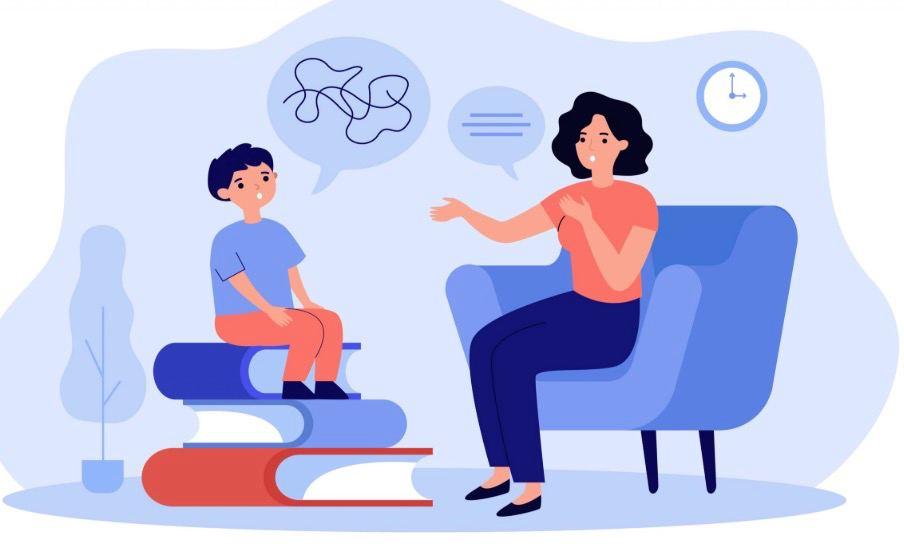
Ask most people what “communication difficulty” means, and they’ll mention speech. Maybe they’ll think of stuttering, or a child who can’t pronounce certain sounds. But it’s rarely that simple. Some kids speak in full sentences but can’t follow directions. Others can describe what they did at school but struggle to start a conversation.
Communication is layered. It includes:
- Understanding and using words
- Organizing thoughts into clear messages
- Adjusting speech based on context
- Interacting back and forth
- Using or understanding tone, facial expressions, or gestures
Children who are neurodivergent — with autism, ADHD, intellectual disability, or NVLD — often face extra challenges in one or more of these areas. But the signs aren’t always obvious. A quiet child may be misunderstood as shy, when in fact they’re overwhelmed by language. A talkative child might repeat scripts from cartoons and not realize others want to change the topic.
Recognizing these subtle signs early helps adults shift from blame or confusion to real, practical support.
The Problem Isn’t the Child — It’s the Mismatch
Too often, neurodivergent children are asked to change themselves to “fit in.” Sit still. Make eye contact. Speak clearly. Don’t interrupt. Don’t stim. And when they can’t do those things, they’re seen as difficult, unmotivated, or badly behaved.
But the problem usually isn’t effort. It’s the mismatch between the child’s way of experiencing the world and what others expect from them.
Let’s say a child in class struggles with reading and writing, but not because they’re lazy. They may have poor working memory. Or they may need language to be broken into smaller parts. They might need a visual schedule or repetition to keep on track. Without these supports, they fall behind — and then the pressure builds.
The same goes for self-regulation. Telling a child to “calm down” doesn’t teach them how. A better question is: have we made the environment calm enough to begin with?
When Support Tools Are Misunderstood (or Misused)
Parents and teachers sometimes resist using tools like augmentative and alternative communication (AAC), visual supports, or sensory strategies. They worry it will “hold the child back” or “make them dependent.” But in many cases, these tools are what let children move forward — on their own terms.
AAC, for example, isn’t just for non-speaking kids. It helps any child who struggles to find words when stressed, who forgets what they want to say, or who needs time to process language. Visual schedules help with transitions and routines. Sensory breaks allow kids to reset without meltdown.
Support tools should never be treated as shortcuts or gimmicks. They work best when adults understand the purpose behind them. Unfortunately, some tools — even those unrelated to communication — get attention for the wrong reasons. For instance, discussions around buying steroids online often appear in forums where people are looking for quick fixes for body image or academic stamina. It’s a stark contrast to what real support looks like in developmental care, where the goal is steady growth, not shortcuts.
In the same way, developmental strategies should be chosen for fit and safety — not popularity or speed.
The Role of Adults: Create Space, Not Pressure
Children don’t learn better under pressure. They learn better when they feel understood. This is where both parents and teachers make a difference. Not by becoming experts overnight, but by adjusting their approach:
- Wait longer after asking a question — processing takes time.
- Model language rather than correct every word.
- Use routines, visuals, and clear steps instead of long explanations.
- Respect stimming or movement breaks — they often help with regulation.
- Don’t assume understanding just because a child is verbal.
One of the most powerful things an adult can do is notice what works, repeat it, and share it with others in the child’s life. When support looks the same across home, school, and community, the child feels safer — and more confident to try.
Conclusion: Every Child Deserves to Be Understood
You can’t support a child if you’re only looking at one part of who they are. Communication, memory, behavior, emotions — they’re all connected. A child who stutters may also struggle to self-regulate. One with great vocabulary may fall apart in noisy rooms. A student who fidgets constantly might be trying to stay focused, not trying to distract.
That’s why supporting neurodivergent children, or those with communication needs, isn’t about fixing. It’s about adjusting. Listening more. Demanding less. Creating systems that work for them, not just systems they have to work within.
And most of all, it’s about remembering this: growth looks different for everyone. But every child — regardless of label, score, or milestone — deserves the chance to connect and belong. When we support the whole child, we make that possible.


 Deutsch
 English
 Arabic
 עברית
עברית
 French
 Spanish
 Portuguese
 Turkish
 Dutch
Dutch
 Italiano
 Russian
 Romaian
 Portuguese (Brazil)
 Greek
Greek