


Peripheral Artery Disease: Causes, Symptoms, and Effective Treatments
What Is Peripheral Artery Disease?
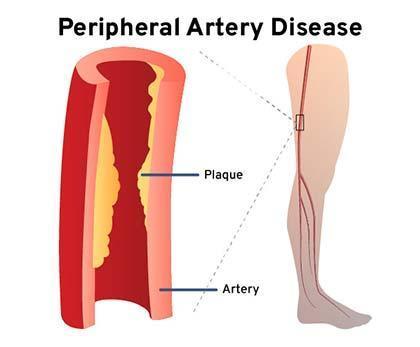
Peripheral Artery Disease (PAD) is a common circulatory problem that affects millions of people worldwide. It happens when narrowed arteries reduce blood flow to the limbs—usually the legs. This condition is often a warning sign of a more widespread accumulation of fatty deposits in your arteries (atherosclerosis), which could reduce blood flow to your heart and brain as well.
People with PAD may experience leg pain while walking, numbness, slow-healing wounds, or even severe infections. The good news? PAD is treatable—and early diagnosis can lead to much better health outcomes.
In this guide, we’ll explore everything you need to know about Peripheral Artery Disease: Causes, Symptoms, and Effective Treatments so you can take the right steps to manage or even prevent it.
Causes of Peripheral Artery Disease
PAD typically develops due to a buildup of fatty plaques in the arteries—a condition known as atherosclerosis. These plaques narrow the arteries, making it harder for blood to flow freely. Here are some common causes and risk factors:
1. Atherosclerosis
This is the primary cause. Over time, cholesterol and other substances accumulate in the arteries, leading to hardening and narrowing of the vessels.
2. Smoking
Smoking significantly increases the risk of PAD. It damages blood vessels, lowers good cholesterol (HDL), and raises bad cholesterol (LDL), accelerating plaque buildup.
3. Diabetes
High blood sugar levels can damage blood vessels and nerves, making people with diabetes more susceptible to PAD.
4. High Blood Pressure
Constant pressure on artery walls causes them to become stiff and narrow.
5. High Cholesterol
Excess LDL cholesterol in the blood contributes directly to the formation of plaques in the arteries.
6. Age and Genetics
PAD risk increases with age, particularly after 50. If you have a family history of cardiovascular disease, your chances may be higher too.
Symptoms to Watch Out For
Peripheral Artery Disease doesn’t always show symptoms, especially in its early stages. However, there are several warning signs to pay attention to:
1. Leg Pain or Cramping (Claudication)
This is the most common symptom. It usually occurs during walking or climbing stairs and goes away with rest.
2. Numbness or Weakness
Reduced blood flow can cause your legs or feet to feel numb, weak, or tingly.
3. Coldness in Lower Leg or Foot
If one leg feels colder than the other, it may be due to limited blood circulation.
4. Sores That Don’t Heal
Wounds or ulcers on your feet or toes that take a long time to heal—or don’t heal at all—may signal PAD.
5. Change in Skin Color or Texture
Shiny skin, slower-growing hair on legs, or discolored toenails could also indicate poor blood circulation.
How Is PAD Diagnosed?
Early detection is key to managing PAD effectively. Here’s how it’s usually diagnosed:
1. Physical Examination
Your doctor may check the pulse in your legs or listen for whooshing sounds (bruits) over the arteries.
2. Ankle-Brachial Index (ABI)
This simple, non-invasive test compares blood pressure in your ankle with that in your arm to detect blocked arteries.
3. Ultrasound
A Doppler ultrasound helps visualize blood flow and locate narrowed or blocked arteries.
4. Angiography
This imaging test uses a contrast dye injected into the bloodstream to highlight arteries on X-rays or MRIs.
Effective Treatments for PAD
Treatment for PAD focuses on relieving symptoms and preventing progression of the disease. It usually involves a combination of lifestyle changes, medications, and sometimes surgical procedures.
1. Lifestyle Changes
-
Quit Smoking: This is one of the most crucial steps. Smoking cessation improves circulation almost immediately.
-
Exercise: Regular walking programs can significantly improve symptoms. Aim for 30 minutes a day, 3–5 times a week.
-
Healthy Diet: Eat foods rich in fiber, low in saturated fats, and high in omega-3 fatty acids.
2. Medications
-
Cholesterol-lowering ***s (Statins): Help reduce plaque buildup.
-
Blood Pressure Medications: Help keep artery walls healthy.
-
Blood Thinners: Prevent blood clots from forming.
-
Medications to Improve Walking (like Cilostazol): Improve blood flow and reduce symptoms like claudication.
3. Medical Procedures
If lifestyle changes and medications don’t help enough, your doctor might recommend a medical procedure:
-
Angioplasty: A small balloon is inflated inside the artery to widen it.
-
Stent Placement: A small mesh tube is placed to keep the artery open.
-
Bypass Surgery: Blood flow is rerouted around the blocked artery using a graft.
Complications If Left Untreated
Ignoring PAD can lead to serious health issues:
-
Critical Limb Ischemia: Severe blockage of blood flow that can cause ulcers, infections, and even gangrene.
-
Heart Attack or Stroke: PAD increases the risk of both.
-
Amputation: In extreme cases, the affected limb may require removal due to tissue death.
That’s why it’s crucial to take symptoms seriously and seek treatment early.
Living Well with PAD
Managing PAD is possible—and many people live full, active lives with the right treatment plan. Here are some practical tips:
-
Monitor Your Feet Daily: Check for sores, color changes, or swelling.
-
Stay Active: Keep moving as much as your doctor allows.
-
Stick to Your Meds: Take all prescribed medications consistently.
-
Eat Smart: A heart-healthy diet benefits your arteries and overall wellness.
-
See Your Doctor Regularly: Frequent checkups can help catch issues early.
Why Early Detection Matters
PAD doesn’t just affect your legs—it’s a sign your whole cardiovascular system may be under strain. Early detection and treatment reduce your risk of life-threatening events like heart attack or stroke.
By recognizing the early signs, making lifestyle changes, and following your treatment plan, you can slow or even stop PAD from progressing.
Conclusion
Peripheral Artery Disease is a serious but manageable condition. Whether you're at risk or already experiencing symptoms, being informed is the first step toward better health.
At Flowcare, we are committed to helping you understand Peripheral Artery Disease: Causes, Symptoms, and Effective Treatments so you can take proactive steps toward recovery. Don’t wait until the symptoms worsen—early diagnosis and intervention can protect not just your limbs but your life.


 Dutch
Dutch
 English
 Arabic
 עברית
עברית
 French
 Spanish
 Portuguese
 Deutsch
 Turkish
 Italiano
 Russian
 Romaian
 Portuguese (Brazil)
 Greek
Greek