


The Role of Hardware in Protecting Sensitive Data
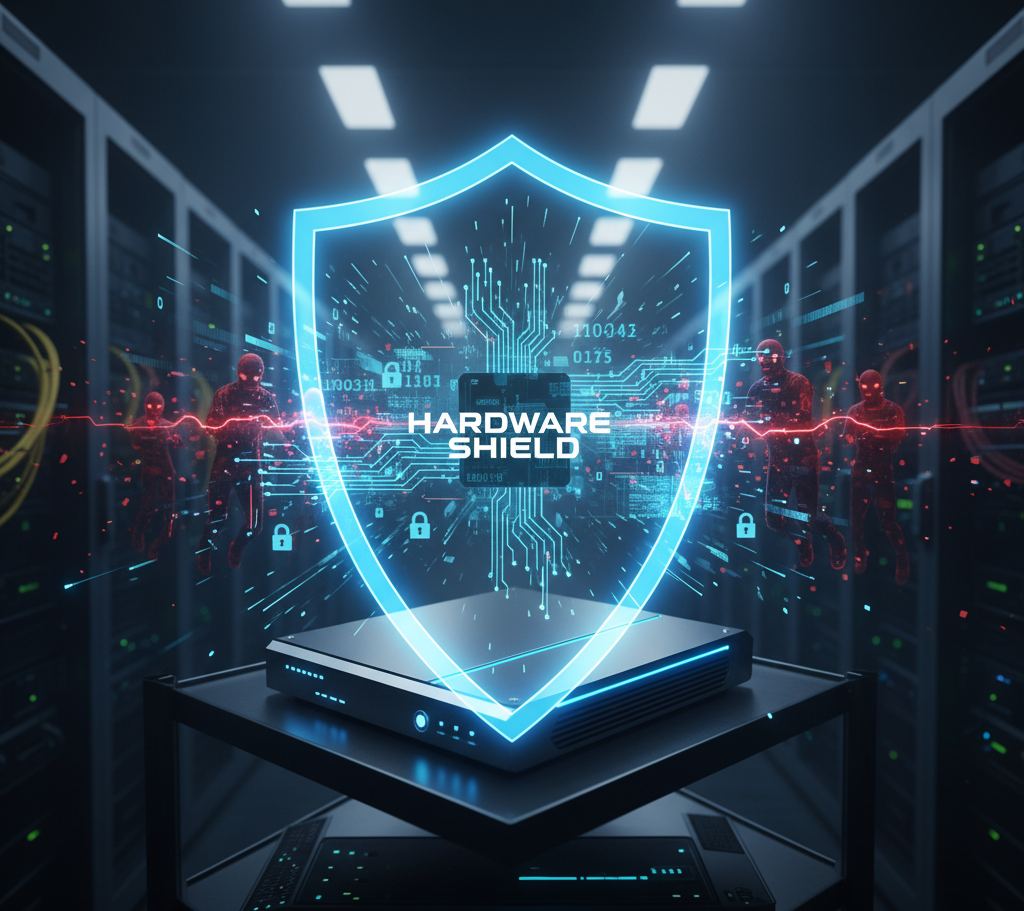
In today’s digital-first world, sensitive data is the most valuable asset a business owns. From customer records and payment details to proprietary research and business strategies, protecting this data is critical—not only for compliance but also for brand reputation and customer trust. While software solutions often take center stage in cybersecurity discussions, the role of IT hardware in safeguarding sensitive data is just as vital.
Let’s explore how smarter hardware choices can make all the difference in securing your business.
Why Hardware Matters in Data Protection
Cybersecurity often brings to mind firewalls, antivirus programs, and encryption software. But behind every piece of software is hardware that enables or limits its effectiveness. If your hardware is outdated, even the most advanced software tools can fail.
Modern businesses require:
-
Performance to handle encryption and decryption processes efficiently.
-
Reliability to ensure data is always accessible yet safe.
-
Built-in security to add layers of protection at the physical level.
This is why many organizations are investing in security-focused hardware to complement their software defenses.
1. Hardware Firewalls: The First Line of Defense
Unlike software firewalls, hardware firewalls operate outside your main systems, filtering traffic before it even touches your network. These appliances provide:
-
Higher performance for large data volumes.
-
Dedicated security processing without draining server resources.
-
Advanced intrusion prevention features that stop attacks at the door.
They act like a security checkpoint, screening everything before it enters your business environment.
2. Hardware Security Modules (HSMs)
An HSM is a dedicated device that manages digital keys, encryption, and authentication. Instead of leaving cryptographic processes vulnerable in software, HSMs offer:
-
Tamper-resistant design to block physical breaches.
-
Secure key management for sensitive applications like banking or healthcare.
-
Compliance readiness with regulations such as GDPR and PCI DSS.
For industries that deal with highly sensitive data, HSMs are essential.
3. Encrypted Storage Drives
Standard storage devices can be easily compromised if stolen or hacked. Modern IT infrastructure relies on self-encrypting drives (SEDs) and NVMe SSDs with encryption capabilities to protect data at rest. Benefits include:
-
Automatic encryption without performance loss.
-
Protection even if drives are physically removed.
-
Reduced risk of human error since encryption is hardware-based.
4. Secure Servers and CPUs
Chip manufacturers are increasingly embedding security features at the processor level. These include:
-
Trusted Execution Environments (TEEs) that isolate sensitive processes.
-
Secure boot features that prevent unauthorized code from running.
-
Real-time monitoring to detect malicious activity inside the CPU.
This creates a hardware root of trust—making attacks significantly harder for cybercriminals.
5. Network Security Appliances
Dedicated networking hardware such as intrusion detection systems (IDS), intrusion prevention systems (IPS), and Unified Threat Management (UTM) devices add specialized protection. They monitor and block malicious activity before it disrupts business operations.
6. Physical Security of Data Centers
Hardware protection also extends to the physical world:
-
Biometric access controls ensure only authorized personnel enter server rooms.
-
Environmental sensors detect overheating, flooding, or tampering.
-
Redundant power supplies and cooling ensure data availability even in crises.
Balancing Hardware and Software for Maximum Security
The best security strategies combine hardware and software. Software tools provide flexibility, but hardware adds performance, tamper resistance, and low-level protection that software alone cannot.
A balanced approach means:
-
Encrypting data at rest (hardware-based drives).
-
Protecting data in motion (network appliances + firewalls).
-
Securing the execution layer (trusted servers and CPUs).
Real-World Example
A financial institution handling millions of transactions per day upgraded to HSMs and self-encrypting drives. As a result, they not only achieved compliance with global regulations but also reduced fraud incidents by 40%.
Conclusion: Stronger Hardware, Stronger Data Security
In an era where data breaches can cost millions and ruin reputations, businesses can no longer rely on software alone. Hardware provides the foundation of trust and resilience for sensitive data protection.
By investing in smarter IT hardware—secure servers, encrypted storage, hardware firewalls, and HSMs—organizations can build a security posture that keeps their most valuable asset safe.


 Arabic
 עברית
עברית
 French
 Spanish
 Portuguese
 Deutsch
 Turkish
 Dutch
Dutch
 Italiano
 Russian
 Romaian
 Portuguese (Brazil)
 Greek
Greek