


Solar Cables: A Practical Guide for Safe and Efficient Solar Installations
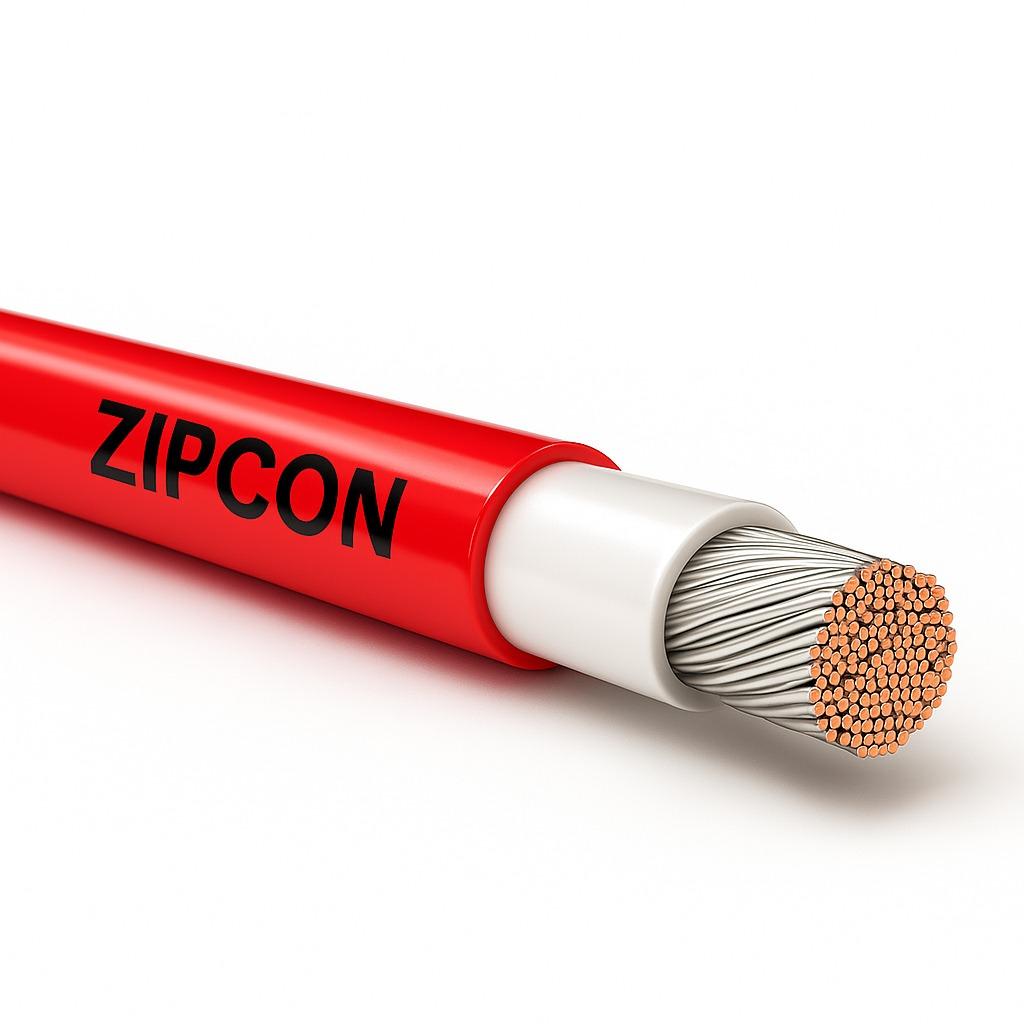
Solar installations face constant exposure to heat, sunlight, moisture, and mechanical stress, so the wiring used must be strong enough to perform reliably in these conditions. This is why solar DC cables are essential. Unlike standard copper house wires, solar cables are designed specifically for photovoltaic (PV) systems, ensuring stable current flow between panels, inverters, and other components. The following explanation breaks down what makes a high-quality solar cable and helps engineers, electricians, installers, and buyers choose the right option for their needs.
Electrical Conductivity and Performance
Solar cables are built for consistent DC power delivery, where even small voltage drops can reduce system output. They typically use tinned copper conductors, which combine excellent conductivity with better corrosion resistance. The tin coating protects against oxidation, making these cables ideal for outdoor setups, including humid or coastal environments.
Standard copper wires also conduct well, but without the protective coating they corrode faster when exposed to moisture or temperature changes. For long DC cable runs on rooftops or across solar farms, solar cables maintain voltage more effectively and deliver more stable performance.
For inquiries or assistance: https://zipconcables.com/contact-us/
Durability and Outdoor Lifespan
A good solar cable is designed to last for decades outdoors. Solar cables from Zipcon Cables include features such as:
-
UV-resistant insulation that prevents sunlight damage
-
High heat tolerance for stable operation during peak temperatures
-
Moisture-resistant insulation that blocks water ingress
-
Abrasion resistance to handle movement, vibration, and rooftop friction
Standard house wires usually rely on PVC insulation, which is not made for continuous sun exposure. Over time, PVC becomes brittle, cracks, and increases the risk of short circuits, making it unsuitable for rooftop PV installations.
Weight and Flexibility
Solar cables are lighter and more flexible than traditional house wires with comparable capacity. This flexibility helps during installation:
-
Running cables around roof edges
-
Pulling long lengths through conduits
-
Securing them across mounting structures
-
Fitting them inside junction boxes or inverter terminals
The stranded design inside solar cables bends smoothly without stressing the insulation. By contrast, solid-core house wires are stiff and can kink or damage their insulation when bent repeatedly, making them difficult to use in tight or complex rooftop layouts.
Cost Comparison with Regular Copper Wires
Solar cables generally cost more upfront because they use:
-
Higher-grade insulation such as XLPE
-
UV-resistant and flame-retardant outer jackets
-
Tinned copper conductors
-
Added protection for long-term outdoor durability
Although the initial price is higher, the lifespan is significantly longer. Regular copper wires deteriorate faster outdoors and may require multiple replacements, leading to higher labour and maintenance costs over time.
Safety Considerations
Solar cables must withstand high DC voltage and harsh outdoor conditions. Important safety features include:
-
Temperature-resistant insulation to prevent overheating
-
Low-smoke, halogen-free materials for safer fire performance
-
High dielectric strength to handle DC surges
-
Tight insulation bonding to prevent cuts, cracks, and abrasion
Standard house wires lack these protections, making them more prone to overheating, insulation failure, and electrical faults when used outdoors.
Installation Needs
Installing solar cables requires attention to stability and environmental exposure:
-
MC4 connectors provide secure, weatherproof terminations
-
Conduits protect cables from external damage and rodents
-
Rooftop clips hold cables in place, preventing wind-related movement
-
Proper bending radius avoids stress on the insulation and conductor
Solar cables are built for these installation demands, while general-purpose wires are not designed to handle such outdoor stress.
Typical Use Cases
Solar cables are essential in:
-
Residential rooftop PV setups
-
Commercial and industrial solar plants
-
Panel-to-inverter cable runs
-
String wiring across mounting structures
-
Long-distance DC transmission in solar farms
Standard copper house wires may still be suitable for indoor AC wiring, such as connecting the inverter to the distribution board, where there is no exposure to heat or sunlight.
Where Solar Cables Perform Better
Solar cables offer better performance in:
-
Outdoor and rooftop conditions
-
High-temperature or full-sun environments
-
Humid or coastal regions prone to corrosion
-
Long DC runs requiring steady voltage
-
Installations involving frequent bending or movement
Where Standard Copper Wires May Still Be Used
-
Indoor AC circuits
-
Short, protected equipment room connections
-
Enclosed conduits with stable temperatures
Direct Recommendation
For any outdoor solar installation—whether a small rooftop system or a large commercial solar plant—Zipcon Solar Cables are the safer and more dependable choice. Their UV resistance, high conductivity, heat tolerance, and long outdoor lifespan make them essential for efficient and trouble-free PV performance. Standard copper house wires should be used only for indoor AC applications where conditions are controlled.
The right cable ensures better system output, greater safety, and a longer operational life. For long-lasting and reliable solar wiring, Zipcon Cables provides solutions engineered specifically for real-world solar environments.


 Arabic
 עברית
עברית
 French
 Spanish
 Portuguese
 Deutsch
 Turkish
 Dutch
Dutch
 Italiano
 Russian
 Romaian
 Portuguese (Brazil)
 Greek
Greek