


T-Shirt Manufacturing in Pakistan: A Complete Guide to Quality, Innovation & Global Supply Excellence
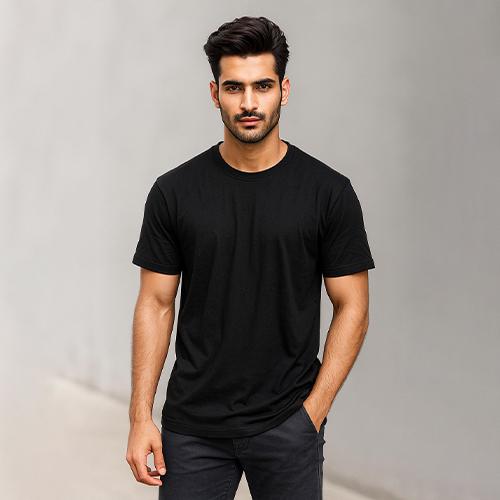
T-shirt manufacturing in Pakistan has become one of the most dynamic and rapidly growing sectors within the global textile and apparel industry. With a strong supply chain, availability of premium cotton, skilled labor, and advanced production technologies, Pakistan has earned a solid reputation as a reliable exporter of high-quality T-shirts. Today, Pakistan is among the top clothing suppliers to the USA, UK, European Union, Middle East, and many other international markets.
As global fashion brands and private label companies increasingly seek reliable and cost-effective manufacturing partners, Pakistan’s T-shirt manufacturing segment continues to offer unmatched advantages. This article provides a comprehensive overview of the T-shirt manufacturing in Pakistan, covering its strengths, production processes, export potential, fabric quality, customization options, and why international buyers choose Pakistan over competing countries.
Why Pakistan Is a Leading Hub for T-Shirt Manufacturing
Access to Premium Cotton
Pakistan is one of the world’s largest producers of high-quality cotton. The natural fiber is the foundation of a strong garment industry. T-shirt manufacturers in Pakistan utilize:
-
Combed cotton
-
Ringspun cotton
-
Organic cotton
-
Cotton blends
-
Lycra-cotton stretchy fabrics
This ensures comfort, softness, durability, and breathability—qualities that international brands demand.
Competitive Manufacturing Costs
Compared to China, Turkey, or Bangladesh, Pakistan offers competitive pricing without compromising quality. Lower production costs, affordable skilled labor, and strong textile infrastructure result in significant savings for global importers.
Advanced Machinery and Modern Factories
Many Pakistani T-shirt factories utilize automated machines and technologies such as:
-
Digital printing
-
Sublimation printing
-
Embroidery machines
-
Fabric spreading and cutting machines
-
Circular knitting machines
These upgrades help achieve bulk production, color consistency, and high-speed output.
Skilled Workforce
Pakistan has decades of experience in textile manufacturing. Thousands of skilled workers operate across spinning, knitting, dyeing, stitching, printing, and finishing units, ensuring professional production standards.
Strong Export Performance
Pakistan exports millions of T-shirts annually to top global markets including:
-
USA
-
UK
-
Germany
-
Saudi Arabia
-
UAE
-
France
-
Italy
-
Australia
The country's well-established export channels make shipping and logistics faster and more efficient.
Types of T-Shirts Manufactured in Pakistan
T-shirt manufacturers in Pakistan produce a wide range of styles to cater to international buyers:
Basic Crew Neck T-Shirts
Ideal for everyday wear, promotions, and private label brands.
V-Neck T-Shirts
Popular in fashion retail and premium casual wear brands.
Polo T-Shirts
Knitted in piqué fabric, used for uniforms, sportswear, and corporate branding.
Graphic T-Shirts
Produced using:
-
Screen printing
-
DTG printing (Direct-to-Garment)
-
Heat transfer
-
Sublimation
Sports & Gym T-Shirts
Made from:
-
Polyester
-
Spandex
-
Dry-fit fabrics
Designed for moisture-wicking and breathability.
Custom Fashion T-Shirts
For boutique brands and global retailers with unique designs, cuts, or color combinations.
Kids’ T-Shirts
Soft, safe fabrics with durable stitching for long-lasting childhood wear.
Organic & Sustainable T-Shirts
An emerging trend with rising demand from eco-friendly fashion labels.
The T-Shirt Manufacturing Process in Pakistan
T-shirt production in Pakistan follows a detailed and quality-controlled process:
Yarn Production & Fabric Selection
Leading manufacturers produce their own yarn or source it from reputable spinning mills. Buyers can choose from:
-
100% cotton
-
Organic cotton
-
Polyester blends
-
Tri-blends
-
Lycra-mixed fabrics
Fabric weight also varies (120–240 GSM) based on the buyer’s preferences.
Knitting or Weaving
Circular knitting machines ensure smooth, stretchable, and durable fabrics suitable for T-shirts. The knitting process affects:
-
Softness
-
Elasticity
-
Fabric strength
Dyeing & Color Processing
The fabric undergoes:
-
Reactive dyeing
-
Vat dyeing
-
Pigment dyeing
Using eco-friendly dyes, many factories follow OEKO-Tex standards.
Cutting
Automated cutting machines ensure accuracy and reduce fabric wastage. Multiple layers are cut at once to maintain shape consistency for all sizes.
Stitching & Assembly
Skilled workers sew the T-shirt components:
-
Front & back panels
-
Sleeves
-
Neck ribs
-
Hems
Overlock, flatlock, and cover stitch techniques ensure durability and smooth seams.
Printing & Embroidery
Buyers can choose from:
-
Screen printing
-
DTG printing
-
Sublimation
-
Heat transfer
-
Puff printing
-
Vinyl printing
-
Embroidery badges/logos
This stage is crucial for branding and custom designs.
Finishing & Quality Control
Final inspection includes:
-
Thread trimming
-
Size checking
-
Color matching
-
Shrinkage control
-
Label stitching
Manufacturers ensure each piece meets export-quality standards.
Packaging
T-shirts are folded and packed in:
-
Poly bags
-
Custom printed bags
-
Box packaging
-
Bulk carton packaging
Shipping is completed through air or sea freight depending on the buyer’s needs.
Private Label & OEM Services
Most T-shirt manufacturers in Pakistan offer complete private label (OEM) services. International brands can order:
-
Custom neck labels
-
Custom tags & packaging
-
Branded boxes
-
Unique color variations
-
Special stitching styles
-
Exclusive printing designs
This makes Pakistan an ideal partner for startups, e-commerce stores, and established fashion brands.
Quality Standards Followed by Pakistani T-Shirt Manufacturers
Manufacturers comply with global certifications such as:
-
ISO 9001
-
OEKO-TEX Standard 100
-
BSCI
-
WRAP
-
GOTS (for organic cotton)
These standards ensure ethical production, worker safety, and eco-friendly practices.
T-Shirt Export Markets for Pakistan
Pakistan’s T-shirt exports continue to grow due to strong demand. Major importers include:
-
USA (largest market)
-
UK
-
Germany
-
France
-
Saudi Arabia
-
UAE
-
Netherlands
-
Italy
The Middle East sees high demand for T-shirts used in:
-
Uniforms
-
Corporate wear
-
Promotional products
-
Sports teams
Europe and the USA demand fashion and premium-quality T-shirts.
Advantages for International Buyers
Affordable Pricing
Bulk orders have very competitive rates compared to global markets.
Low Minimum Order Quantities (MOQs)
Many factories offer MOQs starting at 50–200 pieces per design/color.
Fast Lead Times
Efficient production allows quick turnaround for urgent orders.
Customization Options
From printing to packaging, everything can be customized.
Strong Communication & Export Expertise
Manufacturers understand global buyer needs, shipping requirements, and quality expectations.
Challenges and How the Industry is Improving
Although the industry is strong, manufacturers face:
-
Energy cost fluctuations
-
Global competition
-
Economic pressures
To overcome these, many factories are:
-
Using renewable energy solutions
-
Installing new machinery
-
Offering sustainable products
-
Improving digital communication
Conclusion
T-shirt manufacturing in Pakistan stands as one of the most trusted, dynamic, and globally competitive sectors in the textile world. With access to premium cotton, skilled labor, modern technology, and a strong export base, Pakistan continues to attract brands across the USA, Europe, and the Middle East. Whether you're a startup brand, an e-commerce retailer, or a corporate uniform buyer, Pakistan offers reliable, high-quality, and cost-effective T-shirt production solutions.


 Portuguese
 English
 Arabic
 עברית
עברית
 French
 Spanish
 Deutsch
 Turkish
 Dutch
Dutch
 Italiano
 Russian
 Romaian
 Portuguese (Brazil)
 Greek
Greek